
Navigating the Post-Butler Landscape: A Manager’s Playbook
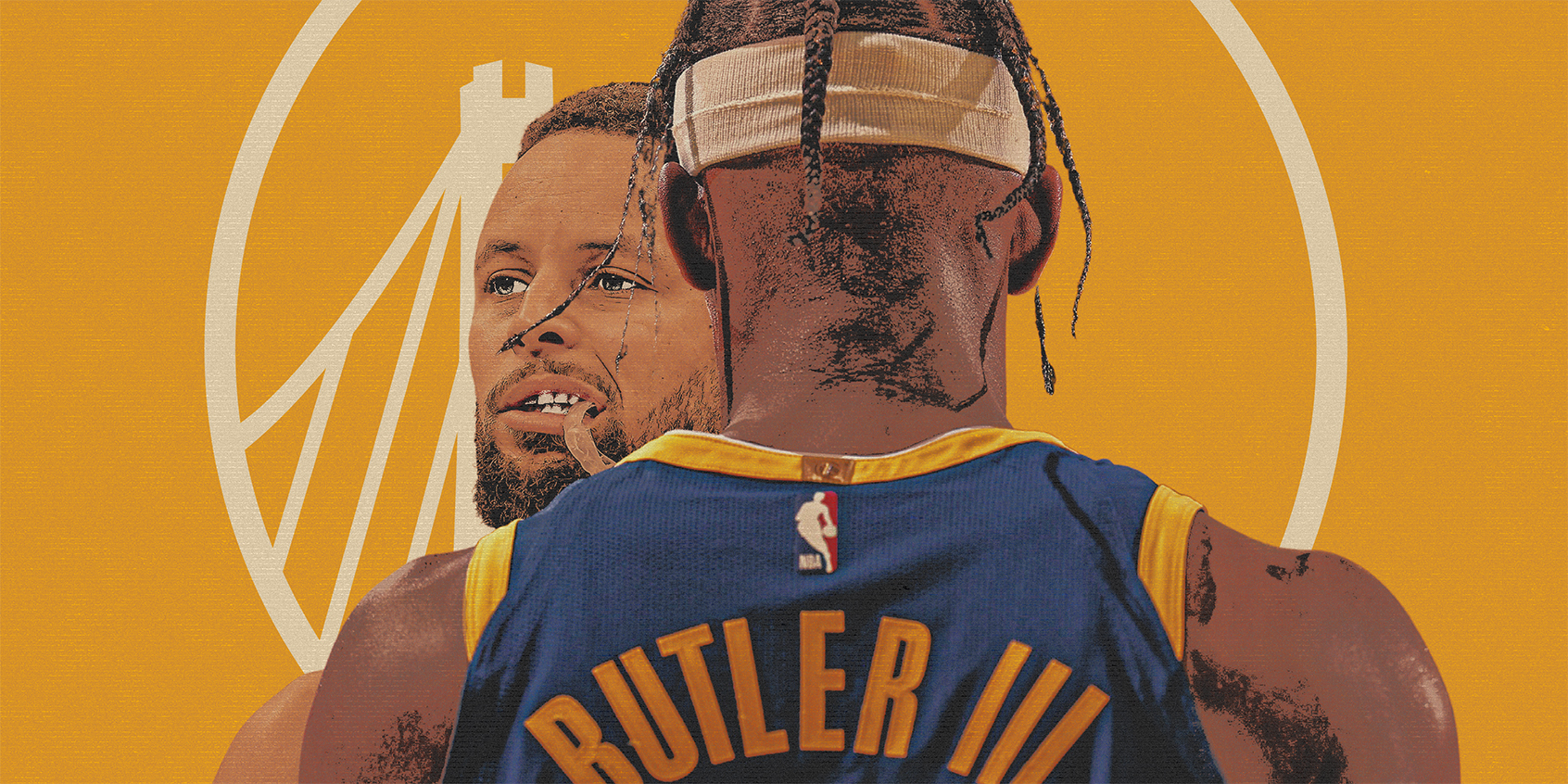
As General Manager of the Golden State Warriors, the departure of Jimmy Butler presents both a challenge and an opportunity. We’ve built a strong foundation here, and while losing a player of Jimmy’s caliber undoubtedly stings, it forces us to re-evaluate our strategy and identify new avenues for sustained success. This isn’t about panic; it’s about adaptation, a quality that has defined this organization’s championship runs.
Immediate Impact: Short-Term Adjustments
The immediate impact is clear: a significant hole in our starting lineup and a reduction in our overall defensive intensity. Butler’s two-way prowess was crucial to our success. He was a primary scoring option, a tenacious defender capable of guarding multiple positions, and a vocal leader in the locker room. Replacing that kind of production isn’t a one-for-one transaction; it requires a multifaceted approach.
Firstly, we need to redistribute Butler’s minutes and responsibilities. This means increased roles for players currently on the roster. We’ll be looking to see if players like Jonathan Kuminga, Moses Moody, and perhaps a resurgent Andrew Wiggins can step up and fill some of the void. Kuminga’s athleticism and scoring potential make him a prime candidate, while Moody’s shooting and defensive improvements are encouraging. Wiggins, a former All-Star, needs to rediscover his consistency and defensive commitment. The coaching staff will be instrumental in developing these players and maximizing their contributions.
Secondly, we must address the defensive gap. Butler was often tasked with guarding the opposing team’s best player. Without him, we need to be more strategic in our defensive schemes. This may involve more double-teams, zone defenses, and relying on team rotations to compensate for the loss of individual lockdown defense. We’ll be analyzing film extensively to identify weaknesses and develop effective countermeasures. Strengthening our bench defense through targeted acquisitions will also be a priority.
Long-Term Strategy: Roster Reconstruction and the Salary Cap
Looking beyond the immediate adjustments, Butler’s departure has significant implications for our long-term roster construction and salary cap management. His salary slot now opens up considerable financial flexibility, which we can leverage in several ways. We could pursue a high-profile free agent, make a strategic trade, or invest in developing young talent through the draft.
The free agent market always presents opportunities, but we must be disciplined in our approach. We won’t simply chase the biggest name available. We need to identify players who fit our system, complement our existing core, and are willing to buy into our team culture. Players who excel on both ends of the court and demonstrate a commitment to winning will be our primary targets. The availability and cost-effectiveness of such players will heavily influence our decision-making process.
Trades are another avenue to explore. We possess valuable assets, including draft picks and promising young players, which we can use to acquire a proven talent. However, we must be careful not to mortgage our future for a short-term fix. Any trade we make must be strategically aligned with our long-term goals and enhance our championship prospects without compromising our financial flexibility. We need to assess the trade market carefully, identify potential partners, and negotiate deals that are beneficial for both parties.
Investing in the draft remains a crucial part of our long-term strategy. We’ve had success drafting and developing young talent in the past, and we’ll continue to prioritize scouting and player development. Identifying players with high upside who can contribute to our team in the future is essential for sustained success. The draft is a long-term investment, and we must be patient in allowing these players to develop and reach their full potential.
The salary cap will be a major factor in all our decisions. Navigating the complexities of the collective bargaining agreement is crucial for maintaining financial flexibility and avoiding long-term cap constraints. We need to be strategic in how we allocate our resources, balancing the need to compete now with the importance of building for the future. Understanding the intricacies of contract negotiations, salary cap rules, and luxury tax implications is essential for making informed decisions that benefit the organization.
The Warriors’ Identity: Maintaining a Championship Culture
Despite the changes, our core values remain the same. We are committed to playing a fast-paced, unselfish brand of basketball, emphasizing ball movement, player movement, and strong defense. We will continue to foster a culture of teamwork, accountability, and continuous improvement. Our coaching staff, led by Steve Kerr, will play a vital role in maintaining these values and ensuring that our team remains cohesive and focused.
Leadership will be crucial during this transition. Stephen Curry, Draymond Green, and other veteran players will need to step up and provide guidance and support to the younger players. Their experience and leadership will be invaluable in navigating the challenges ahead. We need to create an environment where players feel empowered to take ownership of their roles and contribute to the team’s success.
The support of our fans is also essential. Their passion and energy inspire us to compete at the highest level. We are committed to providing them with an exciting and entertaining product on the court, and we appreciate their unwavering support. We understand that there will be ups and downs, but we are confident that together, we can overcome any challenges and continue to strive for excellence.
The Western Conference Landscape: A Shifting Power Dynamic
The Western Conference remains a gauntlet. Teams like the Denver Nuggets, Los Angeles Lakers, and Phoenix Suns continue to be formidable contenders. The emergence of young teams like the Oklahoma City Thunder and the Minnesota Timberwolves adds further complexity to the competitive landscape. We need to be prepared to face these challenges head-on and adapt our strategies accordingly.
We will be closely monitoring the moves of our competitors, analyzing their strengths and weaknesses, and identifying opportunities to gain a competitive advantage. The NBA is a constantly evolving league, and we must be proactive in adapting to the changing dynamics. Staying ahead of the curve requires continuous learning, innovation, and a willingness to embrace new ideas.
Our goal remains the same: to compete for championships. We understand that this is a challenging goal, but we are confident in our ability to achieve it. We have a talented roster, a dedicated coaching staff, and a supportive ownership group. By working together, we can overcome any obstacles and continue to build a legacy of success.
Conclusion: Embracing Change and Building a New Chapter
Losing Jimmy Butler is undoubtedly a setback, but it’s not the end of the world. It’s an opportunity to re-evaluate, adapt, and build a new chapter in the Golden State Warriors’ history. We have the resources, the talent, and the leadership to navigate this transition successfully. By staying true to our core values, making smart decisions, and embracing change, we can continue to compete for championships and maintain our position as one of the premier franchises in the NBA. The journey ahead will be challenging, but we are ready to embrace it with determination and optimism.
FAQ
What specific defensive schemes will the Warriors implement to compensate for Butler’s absence?
We’re exploring multiple options, including increased usage of zone defenses, more aggressive double-teaming on opposing stars, and emphasizing help rotations. We’ll also be focusing on individual player development to improve the defensive capabilities of our existing roster, particularly Kuminga and Moody. Film study and tailored practice drills will be key components of this process.
How will the Warriors utilize the salary cap space created by Butler’s departure?
We have several options. We could target a high-impact free agent who fits our system and timeline. We could explore trade opportunities to acquire a proven player. Or, we could choose to maintain flexibility and potentially absorb contracts from other teams while accumulating assets like draft picks. The ultimate decision will depend on the market conditions and the best long-term value for the organization.
What is the long-term plan for developing young players like Jonathan Kuminga and Moses Moody?
Both Kuminga and Moody are integral to our future. We will continue to provide them with opportunities to play significant minutes and develop their skills. We have a dedicated player development staff that will work closely with them to refine their offensive and defensive games. We also emphasize the importance of mentorship from veteran players like Curry and Green to help them learn the nuances of the game and develop into leaders themselves.
How will the Warriors maintain their championship culture without Butler’s leadership?
Our championship culture is deeply ingrained in our organization, starting with ownership and extending to the coaching staff and players. While Butler was a valuable leader, we have other established leaders in Curry, Green, and potentially Wiggins. We will continue to foster a culture of accountability, teamwork, and continuous improvement. We also believe that new leaders will emerge as players step up to fill the void.
What are the biggest challenges the Warriors face in the Western Conference?
The Western Conference is incredibly competitive. Teams like the Nuggets, Lakers, and Suns are always threats. The emergence of young teams like the Thunder and Timberwolves adds another layer of complexity. The biggest challenge is maintaining consistency and staying healthy throughout the season. We need to be prepared to face any opponent and adapt our strategies accordingly.
How will the Warriors address the potential decline of aging veterans like Stephen Curry and Draymond Green?
We are keenly aware of the aging process and its potential impact on our veteran players. We are proactive in managing their workloads during the regular season to ensure they are fresh for the playoffs. We also rely on our medical and training staff to provide them with the best possible care. Furthermore, we are constantly evaluating our roster and looking for ways to add young talent that can complement and eventually succeed our veteran players.
What is the ultimate goal for the Golden State Warriors in the next 5 years?
Our ultimate goal remains the same: to compete for championships. We understand that this is a challenging goal, but we are confident in our ability to achieve it. We have a talented roster, a dedicated coaching staff, and a supportive ownership group. We will continue to build a culture of excellence and strive to be the best team in the NBA.