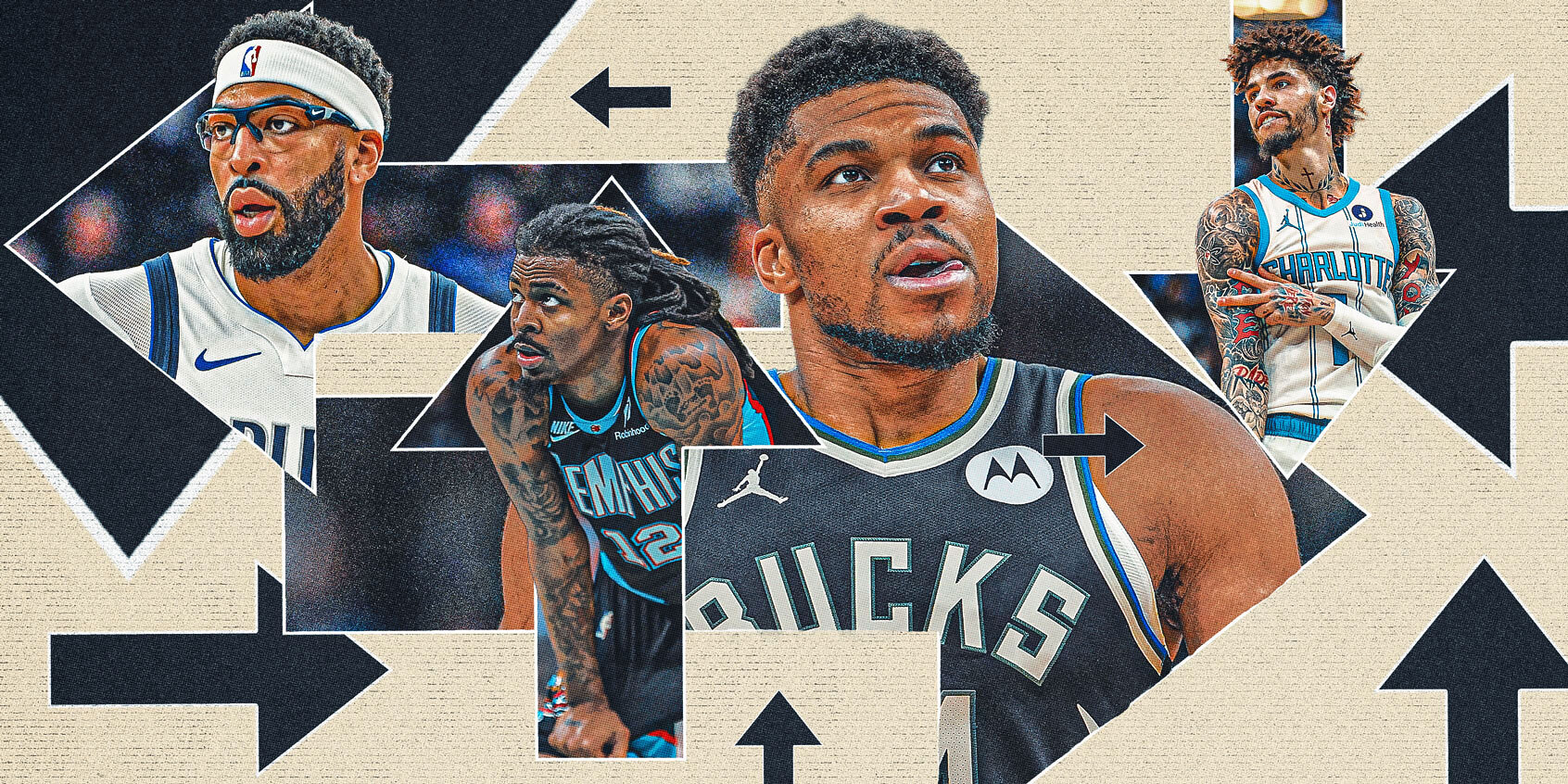
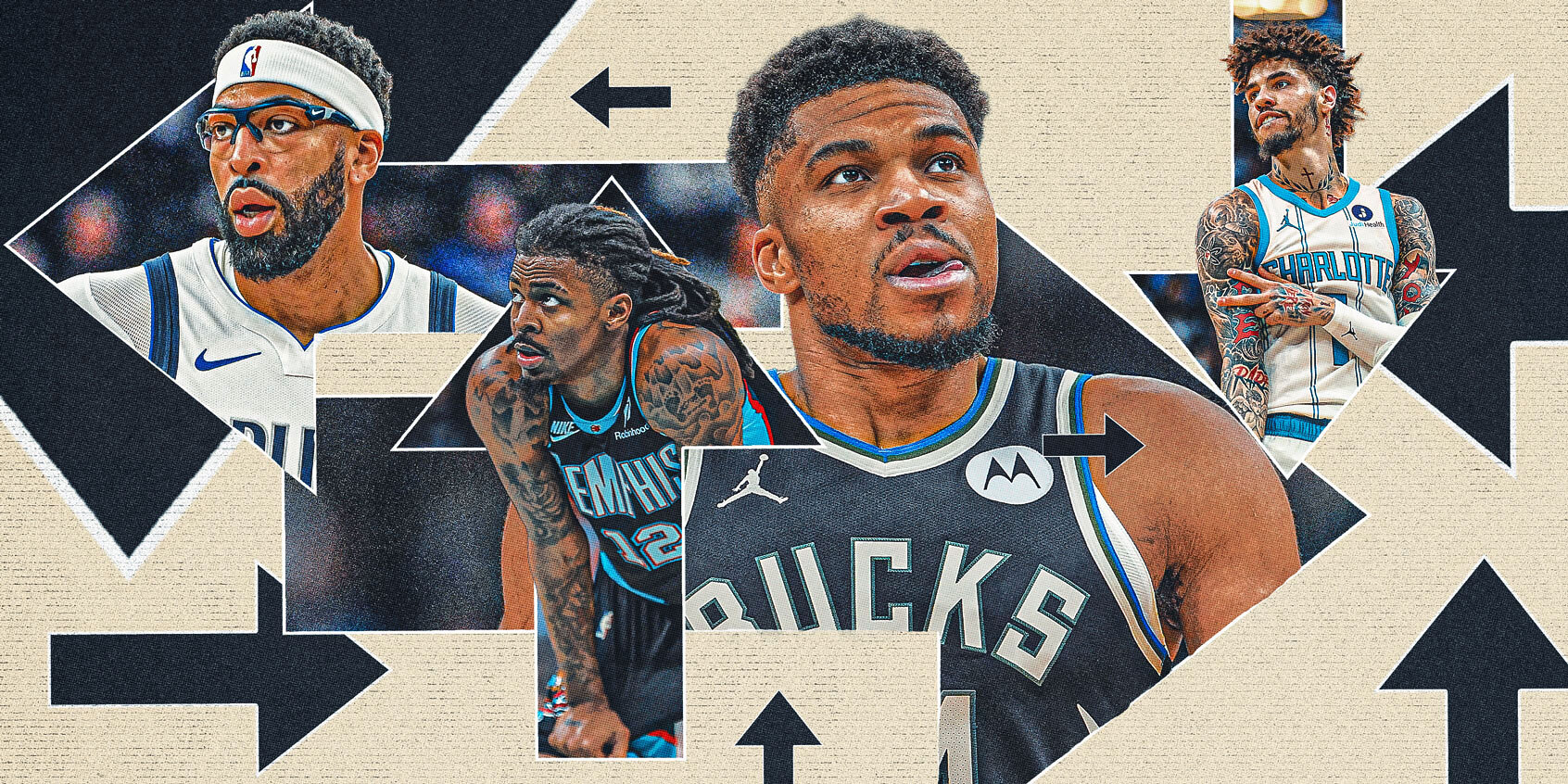
Evaluating the 2026 NBA Trade Landscape: A GM’s Perspective
As the General Manager of a team with championship aspirations, the trade deadline is a critical juncture. The right acquisition can elevate a team from contender to champion, while a misstep can set a franchise back for years. With the 2026 trade deadline looming, a careful assessment of available talent is paramount. This isn’t just about acquiring the “best” player; it’s about finding the player who best complements our existing roster, fits our team culture, and addresses our specific needs, all while managing salary cap implications and future asset allocation.
This analysis ranks 25 players rumored to be available, considering their on-court production, contract situation, injury history, and potential fit with various contending teams. The ranking prioritizes players who offer a combination of immediate impact and long-term value, acknowledging that “value” is subjective and contingent on a team’s unique circumstances.
Tier 1: Game Changers
These players are the cream of the crop, capable of significantly altering a team’s championship trajectory. Acquiring them will require a substantial investment, but the potential reward justifies the risk.
1. Jamal Murray (Denver Nuggets)
Despite Denver’s public stance, the whispers surrounding Jamal Murray’s availability persist. While unlikely, a disgruntled Murray or a surprisingly aggressive offer could pry him loose. His playoff performance in past years showcases his ability to elevate his game under pressure. His scoring prowess, playmaking ability, and championship experience make him a highly coveted asset. The concern, however, lies in his injury history. Any team trading for Murray needs to be confident in his long-term health.
2. Anthony Edwards (Minnesota Timberwolves)
This is a pure hypothetical, but every GM has to do their homework. Edwards’ talent is undeniable. His scoring ability and athleticism are rare. If Minnesota falters and becomes open to rebuilding, Edwards would command a king’s ransom. The risk is significant, given his youth and potential for further development. But the reward – a potential franchise cornerstone for the next decade – is equally immense. A team acquiring Edwards would immediately become a contender.
Tier 2: High-Impact Starters
These players are established starters who can immediately improve a team’s starting lineup and contribute significantly to winning. They may not have the ceiling of the “Game Changers,” but they offer a more reliable and proven track record.
3. DeMar DeRozan (Chicago Bulls)
A proven scorer and playmaker, DeRozan provides instant offense and veteran leadership. While his lack of a consistent three-point shot can be a limitation in today’s NBA, his ability to create his own shot and draw fouls makes him a valuable asset in late-game situations. He’s a rental player, but for a team needing a scoring boost for a playoff run, he’s a prime target. His experience in high-pressure situations is invaluable.
4. Zach LaVine (Chicago Bulls)
Another Bull potentially on the move. LaVine’s elite scoring ability is undeniable. However, his defensive deficiencies and sometimes questionable decision-making raise concerns. A team acquiring LaVine needs to have a strong defensive infrastructure in place to mitigate his weaknesses. The key is to find a team where he can thrive as a primary scorer without being a defensive liability.
5. Pascal Siakam (Toronto Raptors)
Siakam’s versatility on both ends of the court makes him a valuable addition to any team. He can score, defend multiple positions, and create for others. While he may not be a true number one option, he’s an excellent complementary player who can thrive in a variety of roles. His contract situation needs to be carefully considered. Is he a long-term fit, or just a rental?
6. Jrue Holiday (Portland Trail Blazers)
A defensive stalwart and capable scorer, Holiday brings championship pedigree and a veteran presence. He can guard multiple positions and provides valuable playmaking. However, his age and contract are factors to consider. He’s a valuable piece for a contending team seeking defensive toughness and experience.
Tier 3: Solid Contributors
These players are reliable role players who can contribute valuable minutes off the bench or as spot starters. They may not be game-changers, but they can provide depth and stability to a contending team.
7. Bojan Bogdanovic (Detroit Pistons)
A sharpshooter with size, Bogdanovic provides instant offense off the bench. His ability to stretch the floor and knock down open shots makes him a valuable asset in today’s NBA. However, his defensive limitations are a concern.
8. Malcolm Brogdon (Portland Trail Blazers)
A versatile guard who can score, pass, and defend, Brogdon provides valuable depth and experience. His injury history is a concern, but when healthy, he’s a reliable contributor.
9. Kyle Kuzma (Washington Wizards)
A scorer with size and athleticism, Kuzma can provide a scoring punch off the bench. However, his consistency can be an issue. He needs to be in the right system to maximize his potential. His defensive effort is also inconsistent.
10. Harrison Barnes (Sacramento Kings)
A solid veteran who can score, defend, and provide leadership, Barnes is a reliable role player who can contribute to winning. He’s a low-maintenance player who can fit into any system. His experience is invaluable in the playoffs.
11. Marcus Smart (Memphis Grizzlies)
A defensive bulldog and emotional leader, Smart brings toughness and intensity to any team. His offensive limitations are a concern, but his defensive impact is undeniable. He’s a player who can change the culture of a team.
12. Robert Covington (Philadelphia 76ers)
A defensive specialist and three-point shooter, Covington provides valuable depth on the wing. His ability to guard multiple positions and knock down open shots makes him a valuable asset in today’s NBA. His age is a factor to consider.
13. Norman Powell (Los Angeles Clippers)
A scorer who can create his own shot, Powell provides instant offense off the bench. His ability to get to the basket and knock down contested shots makes him a valuable asset. His defensive limitations are a concern.
Tier 4: Potential Upside
These players are younger or less established, but possess intriguing potential. They may not be ready to contribute immediately, but they could develop into valuable assets down the road.
14. Jonathan Kuminga (Golden State Warriors)
A raw but athletic forward with immense potential, Kuminga needs time to develop his skills. However, his athleticism and defensive upside are intriguing. He’s a project player, but one with significant upside.
15. Bennedict Mathurin (Indiana Pacers)
A scorer with size and athleticism, Mathurin has the potential to become a valuable offensive weapon. However, he needs to improve his consistency and decision-making. His potential is undeniable.
16. Shaedon Sharpe (Portland Trail Blazers)
An explosive athlete with a smooth jump shot, Sharpe has the potential to become a dynamic scorer. However, he needs to improve his all-around game and develop his defensive skills. He’s a high-risk, high-reward prospect.
17. Jalen Green (Houston Rockets)
An athletic scorer with a high ceiling, Green needs to improve his efficiency and decision-making. His potential is undeniable, but he needs to be in the right environment to thrive. Consistency is key for him.
Tier 5: Specialists/Role Players
These players excel in specific areas and can provide value in niche roles. They may not be every-game players, but they can be valuable contributors in specific matchups or situations.
18. Luguentz Dort (Oklahoma City Thunder)
A defensive specialist who can guard multiple positions, Dort brings toughness and intensity to any team. His offensive limitations are a concern, but his defensive impact is undeniable.
19. Matisse Thybulle (Portland Trail Blazers)
An elite defender who can disrupt opposing offenses, Thybulle is a specialist who can excel in specific matchups. His offensive limitations are a significant concern.
20. Derrick Rose (Memphis Grizzlies)
A veteran point guard with playmaking ability and experience, Rose can provide valuable leadership and stability off the bench. His injury history is a significant concern.
21. Kelly Olynyk (Utah Jazz)
A stretch big man who can shoot the three and pass the ball, Olynyk provides valuable offensive versatility. His defensive limitations are a concern.
22. Alex Caruso (Chicago Bulls)
A defensive pest and smart playmaker, Caruso brings energy and intelligence to any team. His offensive limitations are a concern, but his defensive impact is undeniable.
23. Gary Trent Jr. (Toronto Raptors)
A sharpshooter who can get hot in a hurry, Trent Jr. provides instant offense off the bench. His defensive limitations are a concern.
24. Thaddeus Young (Toronto Raptors)
A veteran forward who can contribute in a variety of ways, Young provides valuable depth and experience. His age is a factor to consider.
25. Robin Lopez (Milwaukee Bucks)
A veteran center who can provide rebounding and interior defense, Lopez is a valuable role player who can contribute in specific matchups. His age is a factor to consider.
Strategic Considerations for Trade Acquisitions
Beyond individual player evaluations, several strategic considerations must inform any trade decision:
* **Team Chemistry:** How will the new player fit within the existing team dynamic? A player’s personality and work ethic are just as important as their on-court skills. A disruptive presence can derail an entire season.
* **Salary Cap Implications:** Can we afford the player without jeopardizing our long-term financial flexibility? The salary cap is a complex beast, and navigating it requires careful planning. We need to consider not only the player’s current salary but also potential future extensions and the impact on our ability to sign other players.
* **Asset Management:** What assets are we willing to give up to acquire the player? Draft picks, young players, and expiring contracts all have value. We need to carefully weigh the cost of acquisition against the potential return. Overpaying for a player can hamstring our franchise for years to come.
* **Playoff Readiness:** Is the player ready to contribute in a playoff environment? Regular-season success is important, but the playoffs are a different beast. We need to acquire players who can perform under pressure and thrive in high-stakes situations. Experience matters.
* **Injury History:** What is the player’s injury history, and what is the risk of future injuries? A player who spends more time on the sidelines than on the court is of little value. We need to conduct thorough medical evaluations before making any trade.
Ultimately, the goal is to make a trade that improves our team’s chances of winning a championship. This requires a careful and deliberate approach, weighing all the factors and making informed decisions. The trade deadline is a high-stakes game, but with careful planning and execution, we can emerge victorious.
FAQ: Navigating the NBA Trade Deadline
What is the NBA trade deadline?
The NBA trade deadline is a specific date and time during the NBA season by which teams must complete any trades for players. After this deadline, teams can no longer trade players until the end of the season or the next trading period.
Why do teams make trades at the deadline?
Teams make trades at the deadline for various reasons, including: improving their chances of making the playoffs or contending for a championship, shedding salary to avoid the luxury tax, acquiring future assets (draft picks or young players) for a rebuild, or addressing specific team needs (e.g., shooting, defense, rebounding).
What factors influence a player’s trade value?
Several factors influence a player’s trade value, including: their on-court performance (scoring, rebounding, assists, defense), their contract situation (years remaining, salary), their age and potential for future development, their injury history, their fit with a team’s system and culture, and the overall demand for their skillset in the league.
What is a “rental player” in the context of the trade deadline?
A “rental player” is a player who is on an expiring contract and is likely to become a free agent at the end of the season. Teams often acquire rental players with the intention of improving their chances in the short term, even if it means losing the player in free agency. The value of a rental player is typically lower than that of a player with multiple years remaining on their contract.
What are some common trade scenarios at the deadline?
Common trade scenarios include: contenders trading for veteran players to bolster their playoff chances, rebuilding teams trading away veterans for draft picks or young players, and teams making “salary dumps” to shed salary and avoid the luxury tax. Three-team trades are also common, as they can facilitate more complex player movement and asset allocation.
How does the salary cap affect trades?
The salary cap significantly impacts trades because teams must adhere to strict salary rules. Teams can only acquire players if they have sufficient salary cap space or can match salaries in a trade. The NBA also has rules regarding the use of trade exceptions, which allow teams to acquire players without sending out equivalent salary in certain situations.
What is a “trade exception”?
A trade exception is created when a team trades a player without receiving a player in return, or receives a player with a lower salary. The trade exception allows the team to acquire a player (or players) up to the value of the exception within a certain timeframe (usually one year). Trade exceptions provide teams with flexibility in making future trades.
How do draft picks factor into trades?
Draft picks are valuable assets in trades, particularly for rebuilding teams. Teams often trade veteran players for future draft picks, which can be used to select promising young players in the NBA draft. The value of a draft pick depends on its projected position (lottery picks are more valuable) and whether it is protected (meaning the team retains the pick if it falls within a certain range).