The 2026 NBA Tactical Landscape: A League in Constant Evolution
The NBA never stands still. What worked last season is often obsolete by the next. As we delve into the 2026 season, several key tactical trends are shaping the league, impacting everything from roster construction to in-game adjustments. This analysis will explore the most prominent shifts in offensive and defensive strategies, the increasing importance of player development, and the ever-growing influence of data analytics.
Offensive Philosophies: Beyond Pace and Space
While “pace and space” has been the dominant offensive philosophy for the better part of a decade, the 2026 NBA season sees teams refining and expanding upon this foundation. It’s no longer enough to simply shoot a lot of threes and run in transition. Teams are now focusing on:
* **Sophisticated Spacing and Movement:** Offenses are becoming increasingly intricate, employing complex off-ball movement, staggered screens, and cutting patterns to create open looks. The goal is not just to spread the floor, but to constantly keep the defense guessing and vulnerable. Teams like the Denver Nuggets, even after the departure of key role players from their championship run, continue to exemplify this, utilizing Nikola Jokic’s passing genius to orchestrate a symphony of motion.
* **Positional Versatility as a Weapon:** The rise of players capable of playing multiple positions continues to be a crucial offensive driver. These players, often dubbed “unicorns,” allow teams to create mismatches, exploit weaknesses in the defense, and maintain offensive flow even when facing different defensive schemes. Consider how a player like Paolo Banchero, with his ability to handle the ball, post up, and shoot from the perimeter, forces defenses to make difficult choices.
* **Targeted Three-Point Shooting:** It’s not just about volume anymore. Teams are now prioritizing *quality* three-point attempts. This means generating open looks for their best shooters, focusing on corner threes (statistically the most efficient), and ensuring that players are taking shots within their comfortable range. Data analytics play a massive role in identifying optimal shot locations and training players to improve their efficiency from those spots.
* **The Resurgence of the Mid-Range Game (But With a Twist):** While the mid-range shot was once considered inefficient, it’s making a comeback, but with a crucial distinction. Teams are utilizing the mid-range primarily for players who excel in that area and as a counter to aggressive defensive schemes that over-commit to defending the three-point line. Think of players like Kevin Durant, who can still punish defenses with their mid-range prowess.
* **Exploiting Defensive Weaknesses in Transition:** Transition offense is no longer just about running after a missed shot. Teams are now actively seeking to exploit defensive mismatches and breakdowns in transition, often using pre-determined passing lanes and set plays to generate easy scoring opportunities. This requires quick decision-making from ball-handlers and a high level of basketball IQ from all players on the court.
Defensive Strategies: Adaptability and Aggression
On the defensive end, the 2026 season sees teams embracing a more adaptable and aggressive approach. The key is to disrupt the opponent’s offensive flow and force them into uncomfortable situations.
* **Switching Defenses with Purpose:** Switching has become a staple in the NBA, but teams are now using it more strategically. The goal is not just to switch everything, but to switch selectively, based on the opponent’s personnel and offensive tendencies. This requires excellent communication and a deep understanding of each player’s strengths and weaknesses.
* **Aggressive Help Rotations:** Teams are becoming more aggressive in their help rotations, sending double teams and traps to force turnovers and disrupt the opponent’s rhythm. This requires excellent anticipation and a willingness to gamble, but the potential rewards are significant.
* **Zone Defense Variations:** Zone defenses are being used more frequently and in more diverse ways. From traditional 2-3 zones to more complex matchup zones, teams are employing zone defenses to throw off the opponent’s offensive rhythm and force them to take contested shots. The Orlando Magic, for example, have experimented with various zone looks to capitalize on their length and athleticism.
* **Protecting the Rim at All Costs:** Rim protection remains a critical component of any successful defense. Teams are prioritizing players who can block shots, alter shots, and deter opponents from driving to the basket. Centers with exceptional defensive instincts are becoming increasingly valuable.
* **Disrupting Passing Lanes:** Defenses are focusing on disrupting passing lanes and forcing turnovers. This requires active hands, quick feet, and a good understanding of the opponent’s offensive tendencies. Steals and deflections can lead to easy transition opportunities and change the momentum of the game.
Player Development: The Foundation for Success
In the modern NBA, player development is no longer an afterthought; it’s a central pillar of team success. Teams are investing heavily in coaching staff, training facilities, and data analytics to help players reach their full potential.
* **Individualized Training Programs:** Teams are tailoring training programs to the specific needs of each player. This includes focusing on individual skill development, strength and conditioning, and mental preparation.
* **Data-Driven Skill Development:** Data analytics are being used to identify areas where players can improve their efficiency and effectiveness. This includes analyzing shot charts, tracking player movement, and measuring defensive impact.
* **Emphasis on Basketball IQ:** Teams are prioritizing players with high basketball IQ, who can make smart decisions on the court and understand the nuances of the game. This includes teaching players how to read defenses, anticipate opponent’s moves, and make the right passes.
* **Mental Skills Training:** The mental aspect of the game is becoming increasingly important. Teams are incorporating mental skills training into their development programs to help players manage pressure, build confidence, and overcome adversity.
* **G League Integration:** The G League is playing an increasingly important role in player development. Teams are using the G League to give young players valuable game experience and to refine their skills in a competitive environment.
The Influence of Data Analytics: Beyond the Box Score
Data analytics have revolutionized the NBA, providing teams with valuable insights into player performance, opponent tendencies, and optimal strategies.
* **Advanced Metrics:** Teams are using advanced metrics like Player Efficiency Rating (PER), True Shooting Percentage (TS%), and Win Shares to evaluate player performance and make roster decisions. While these metrics have existed for a while, their application and integration into scouting and player valuation has become far more sophisticated.
* **Shot Chart Analysis:** Shot charts are being used to identify optimal shot locations for each player and to develop game plans that exploit the opponent’s defensive weaknesses.
* **Tracking Player Movement:** Tracking player movement data provides valuable insights into spacing, offensive flow, and defensive rotations.
* **Predictive Analytics:** Teams are using predictive analytics to forecast future performance and make informed decisions about player acquisitions and trades.
* **Injury Prevention:** Data analytics are being used to identify players who are at risk of injury and to develop training programs that minimize the risk of injury.
Examples of Tactical Innovations in 2026
Several teams are pushing the boundaries of tactical innovation in the 2026 season:
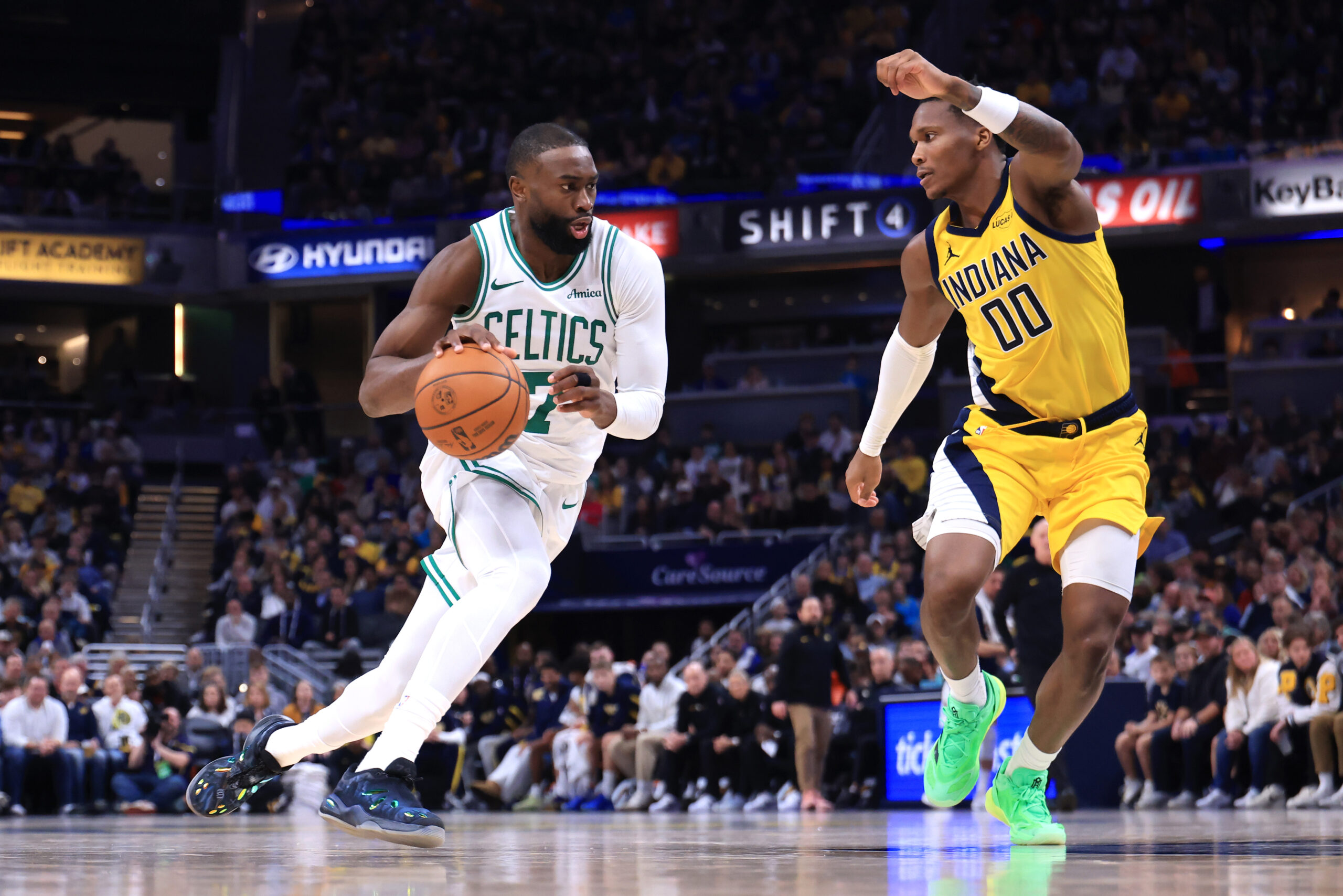
* **The Boston Celtics:** Continuing their commitment to versatile defenders and offensive firepower, they are experimenting with lineups featuring multiple playmakers who can switch seamlessly on defense. Their focus on ball movement and creating open looks for their shooters remains paramount.
* **The Minnesota Timberwolves:** Their twin-tower lineup of Karl-Anthony Towns and Rudy Gobert continues to evolve, with adjustments made to better space the floor and utilize Towns’ perimeter shooting. They are also implementing more aggressive defensive schemes to maximize Gobert’s rim protection.
* **The New Orleans Pelicans:** With Zion Williamson healthy and developing, the Pelicans are exploring ways to maximize his unique skillset. This includes using him as a point-forward, initiating the offense, and creating mismatches in the post.
* **The Oklahoma City Thunder:** Shai Gilgeous-Alexander’s continued growth as a superstar is driving the Thunder’s offensive evolution. They are implementing more sophisticated pick-and-roll schemes and empowering him to make plays for himself and his teammates.
Looking Ahead: The Future of NBA Tactics
The NBA tactical landscape will continue to evolve in the coming years. Expect to see:
* **Even More Emphasis on Positional Versatility:** Players who can play multiple positions will become even more valuable.
* **Further Refinement of Offensive and Defensive Schemes:** Teams will continue to experiment with new and innovative ways to score and defend.
* **Greater Integration of Data Analytics:** Data analytics will play an even larger role in player development, game planning, and roster construction.
* **Increased Focus on Mental Skills Training:** The mental aspect of the game will become even more important.
* **The Continued Rise of International Players:** The influx of talented international players will continue to shape the NBA landscape.
The 2026 NBA season is a testament to the league’s constant evolution. By understanding the emerging tactical trends, teams can gain a competitive advantage and position themselves for success in the ever-changing world of basketball.
FAQ
What is “pace and space” in the NBA?
“Pace and space” is an offensive philosophy that emphasizes playing at a fast tempo (pace) and spreading the floor with shooters (space) to create open looks and driving lanes. It aims to maximize offensive efficiency by generating high-value shots, particularly three-pointers and layups.
Why is positional versatility so important in the modern NBA?
Positional versatility allows teams to create mismatches on offense, switch seamlessly on defense, and maintain offensive flow even when facing different defensive schemes. Players who can play multiple positions are more valuable because they provide greater flexibility and adaptability.
How are data analytics used in NBA player development?
Data analytics are used to identify areas where players can improve their efficiency and effectiveness. This includes analyzing shot charts, tracking player movement, measuring defensive impact, and providing individualized feedback to players to help them refine their skills.
What is a “switching defense” in basketball?
A switching defense is a defensive strategy where players swap assignments when guarding opponents who are running screens or making cuts. The goal is to prevent open shots and disrupt the opponent’s offensive flow. Effective switching requires excellent communication and a deep understanding of each player’s defensive capabilities.
What is the role of the G League in NBA player development?
The G League serves as a developmental league for the NBA, providing young players with valuable game experience and the opportunity to refine their skills in a competitive environment. NBA teams often assign players to their G League affiliates to get more playing time and work on specific areas of their game.
Why are three-point shots so emphasized in today’s NBA?
Three-point shots are emphasized because they offer a greater point value than two-point shots. This increased point value can significantly impact a team’s scoring efficiency. Teams prioritize generating open three-point looks to maximize their offensive output.
What are some examples of advanced metrics used in the NBA?
Some examples of advanced metrics used in the NBA include Player Efficiency Rating (PER), True Shooting Percentage (TS%), Win Shares, Value Over Replacement Player (VORP), and Box Plus/Minus (BPM). These metrics provide a more comprehensive assessment of a player’s performance than traditional statistics.
How do NBA teams use shot charts?
NBA teams use shot charts to analyze a player’s shooting performance from different areas of the court. This information helps them identify optimal shot locations for each player and develop game plans that exploit the opponent’s defensive weaknesses. Shot charts can also reveal tendencies and areas where a player needs to improve their shooting.
What is the importance of rim protection in NBA defense?
Rim protection is crucial because it deters opponents from driving to the basket and forces them to take more difficult shots. Players who can block shots, alter shots, and control the paint are highly valuable on defense, as they can significantly reduce the opponent’s scoring efficiency.
What are some emerging trends in NBA coaching?
Some emerging trends in NBA coaching include a greater emphasis on player development, the integration of data analytics into coaching strategies, the use of more versatile and adaptable defensive schemes, and a focus on fostering positive team chemistry and leadership.