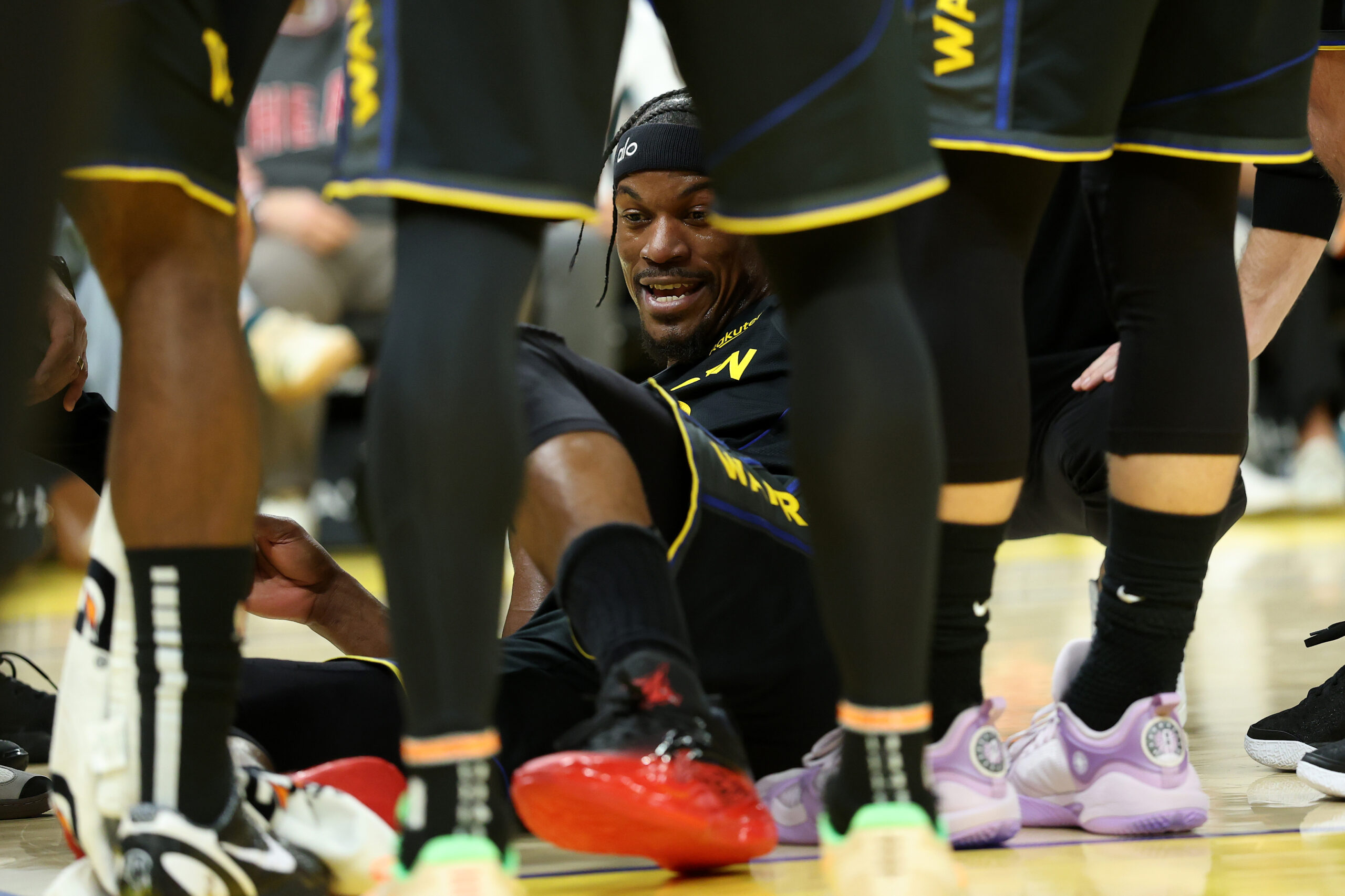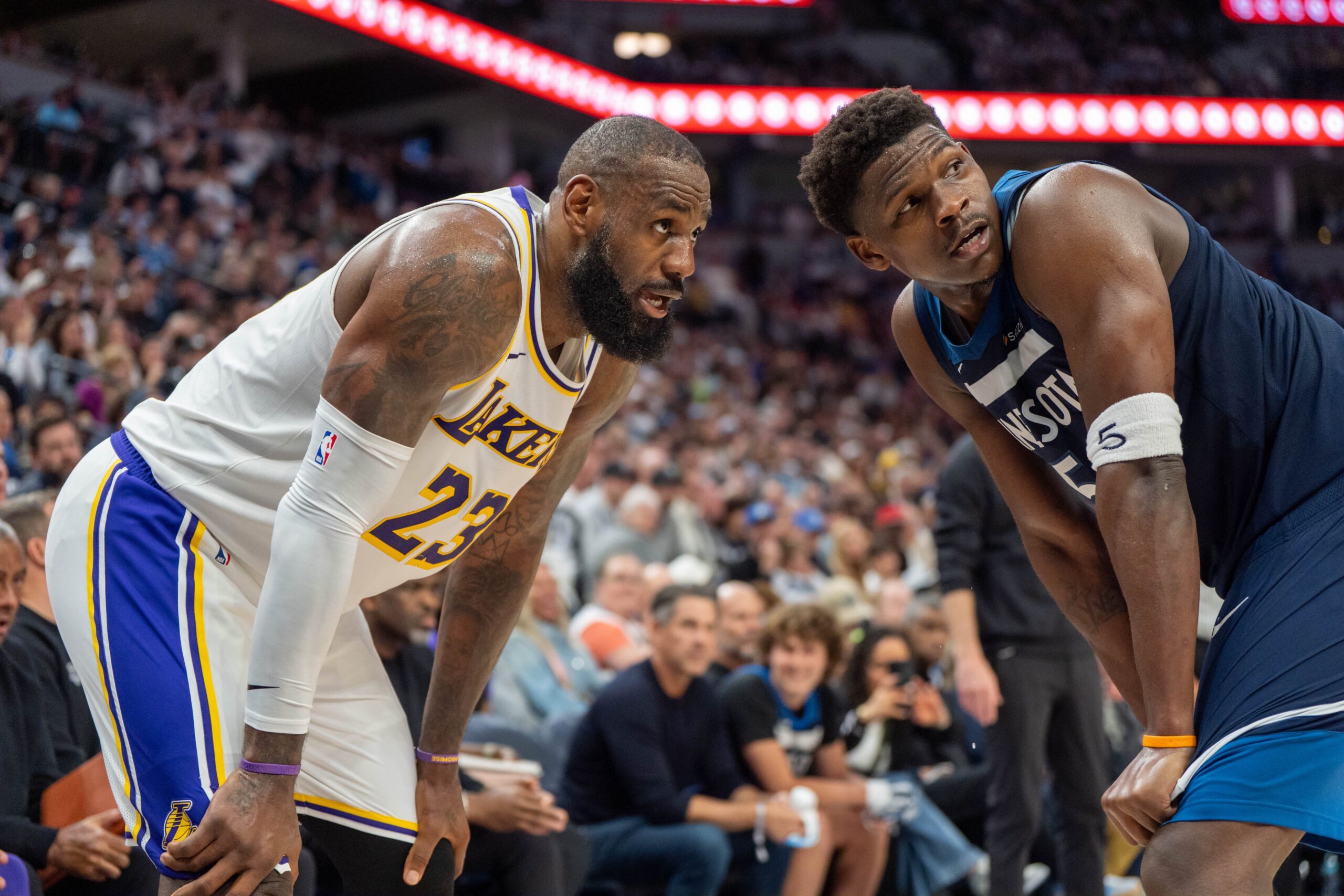

The 2026 NBA All-Star Game starters have been announced, and as always, the selections have sparked debate. While some choices were obvious and celebrated, others have been met with controversy, leaving deserving players on the outside looking in. Let’s break down the winners, the losers, and the biggest snubs from this year’s All-Star selections.
The Obvious Choices: The Untouchables
Certain players were locks to start, their dominance this season leaving no room for argument. In the Eastern Conference, Giannis Antetokounmpo continued his reign, securing his spot with another MVP-caliber season. His blend of power, skill, and relentless drive makes him a perennial All-Star and a fan favorite. Joining him was Jayson Tatum, who has elevated his game to new heights, leading his team with consistent scoring and improved playmaking. Tyrese Haliburton‘s electrifying play and exceptional court vision made him a near-unanimous selection at guard. His impact on his team’s offense is undeniable.
Out West, Luka Dončić‘s wizardry with the ball secured his spot. His ability to score, pass, and rebound at an elite level makes him a constant triple-double threat. Nikola Jokić, the reigning MVP (or one of them), continued to defy expectations with his unique blend of passing, scoring, and basketball IQ. His presence alone elevates his team to contender status. And then there’s Shai Gilgeous-Alexander, who has blossomed into a true superstar, leading his team to surprising success with his crafty scoring and improved defense. These players were not just deserving; they were expected.
The Winners: Validated Superstars and Emerging Forces
Beyond the obvious, some selections represented significant validation for players who have taken their game to the next level. For instance, Paolo Banchero earned his first All-Star start in the East. While some questioned his early hype, he’s silenced the doubters with his improved efficiency and leadership, proving he’s more than just potential. His selection signifies a new era for his franchise and a testament to his hard work.
In the Western Conference, Anthony Edwards‘ inclusion as a starter highlights his continued ascent. He’s become a more consistent scorer and a more vocal leader, guiding his team to the top of the standings. His energy and athleticism make him a must-watch player, and his All-Star start is a well-deserved recognition of his growth.
The Losers: Falling Short of Expectations
On the other side of the coin, some players, despite strong seasons, failed to secure a starting spot. This doesn’t diminish their talent, but it does represent a setback in their quest for individual accolades. In the East, Trae Young, despite putting up impressive scoring and assist numbers, was relegated to a potential reserve spot. While his offensive prowess is undeniable, concerns about his defense and team success likely played a role in the voting. Similarly, Jaylen Brown, though a vital part of his team’s success, couldn’t quite break through the crowded field of Eastern Conference stars.
In the West, Stephen Curry, while still a dominant force, saw his starting streak snapped. While his overall numbers remain impressive, injuries and the emergence of other Western Conference guards likely contributed to his slide. LeBron James, though still playing at a high level, also did not get selected as a starter, representing a shift in the Western Conference power dynamic.
The Biggest Snubs: Deserving Players Left Out
The most controversial aspect of the All-Star selection process is always the players who are perceived as being unfairly excluded. This year is no different. In the East, the biggest snub is arguably Jalen Brunson. His scoring explosion and leadership have transformed his team into a legitimate contender. His absence from the starting lineup is a glaring omission, especially considering his impact on winning. Another notable snub is Joel Embiid, whose injury certainly played a role. When healthy, Embiid is arguably the most dominant force in the NBA, and his absence diminishes the All-Star Game’s star power.
Out West, De’Aaron Fox can feel particularly aggrieved. His electrifying speed and clutch performances have made him one of the league’s most exciting players. His exclusion is a testament to the depth of talent in the Western Conference, but it doesn’t make the snub any less painful. Kawhi Leonard, despite a resurgent season, also missed out on a starting spot. While his load management practices may have impacted his popularity with voters, his on-court performance certainly warranted consideration.
The Voting Breakdown: A Complex Equation
The NBA All-Star selection process is a weighted system, with fan voting accounting for 50%, player voting for 25%, and media voting for 25%. This system aims to balance popularity with objective assessment, but it’s not without its flaws. The fan vote, while engaging, can be swayed by popularity contests and social media campaigns. The player and media votes, while generally more informed, can be influenced by biases and personal relationships. Ultimately, the All-Star selections are a reflection of this complex equation, resulting in a mix of deserving players and unfortunate snubs.
The Impact of Team Success
Team success often plays a significant role in All-Star selections. Players on winning teams tend to receive more recognition, as their individual performances are amplified by their team’s overall success. This can sometimes lead to deserving players on struggling teams being overlooked. For example, while Jalen Brunson’s team’s success has clearly boosted his case, De’Aaron Fox’s team’s performance, while improved, may not have been enough to overcome the perception of his team as a perennial underachiever.
The Future of All-Star Selection
The debate over All-Star selections is a perennial one, and it’s unlikely to be resolved anytime soon. However, the NBA could consider tweaking the voting system to better reflect player performance and minimize the influence of popularity contests. Perhaps increasing the weight of the player and media votes, or implementing a more data-driven approach to player evaluation, could lead to more accurate and representative All-Star selections. Ultimately, the goal should be to ensure that the All-Star Game showcases the league’s most deserving and impactful players.
The Reserves: Who Will Make the Cut?
With the starters announced, attention now turns to the All-Star reserves, who will be selected by the league’s coaches. This is often where the snubs find redemption, as coaches tend to prioritize performance and impact over popularity. Players like Trae Young, Jaylen Brown, Jalen Brunson, Stephen Curry, LeBron James, De’Aaron Fox, Joel Embiid and Kawhi Leonard will all be strong contenders for reserve spots. The reserve selections will undoubtedly spark further debate, but they offer a second chance for deserving players to earn their All-Star recognition.
The All-Star Game: More Than Just an Exhibition
While the All-Star Game is often criticized for its lack of intensity and defensive effort, it remains a significant event for both players and fans. For players, it’s an opportunity to showcase their skills on a national stage, to network with their peers, and to earn a prestigious accolade that can boost their legacy and marketability. For fans, it’s a chance to see their favorite players compete in a relaxed and entertaining environment, and to celebrate the best of the NBA. Despite its flaws, the All-Star Game remains a vital part of the NBA landscape, and the selections, however controversial, always generate excitement and discussion.
FAQ
Why is the All-Star Game selection process so controversial?
The All-Star Game selection process is inherently controversial because it’s a subjective evaluation of player performance, popularity, and team success. With a limited number of spots available, some deserving players will inevitably be left out, leading to debates about who was snubbed and whether the voting system is fair.
How does the All-Star Game voting system work?
The All-Star Game starters are selected through a weighted voting system. Fan voting accounts for 50% of the vote, while player and media voting each account for 25%. The players with the most votes in each conference are selected as starters.
What factors do voters consider when making their All-Star selections?
Voters consider a variety of factors when making their All-Star selections, including player statistics, team success, individual impact, and overall popularity. However, the relative importance of these factors can vary depending on the voter.
Why are some deserving players snubbed from the All-Star Game?
Deserving players can be snubbed from the All-Star Game for a variety of reasons, including limited roster spots, the presence of other deserving players in the same conference, team struggles, and biases in the voting process.
How does being an All-Star impact a player’s career?
Being an All-Star can have a significant impact on a player’s career. It can boost their legacy, increase their marketability, and improve their chances of securing lucrative endorsement deals and contracts. It also provides them with an opportunity to showcase their skills on a national stage and network with their peers.
Do coaches have any say in who makes the All-Star Game?
Yes, the league’s coaches select the All-Star reserves. This gives them a chance to reward players who may have been overlooked by the fans, players, and media, and to ensure that the All-Star Game features a balanced and representative selection of the league’s top talent.
Is the All-Star Game important for the NBA?
Yes, the All-Star Game is important for the NBA. It’s a major event that generates significant revenue, attracts a large television audience, and provides a platform for the league to showcase its top talent and engage with fans. It also serves as a mid-season celebration of the sport and a chance for players to relax and enjoy themselves.