
UCLA’s Triumph Over Purdue: A Blueprint for Success
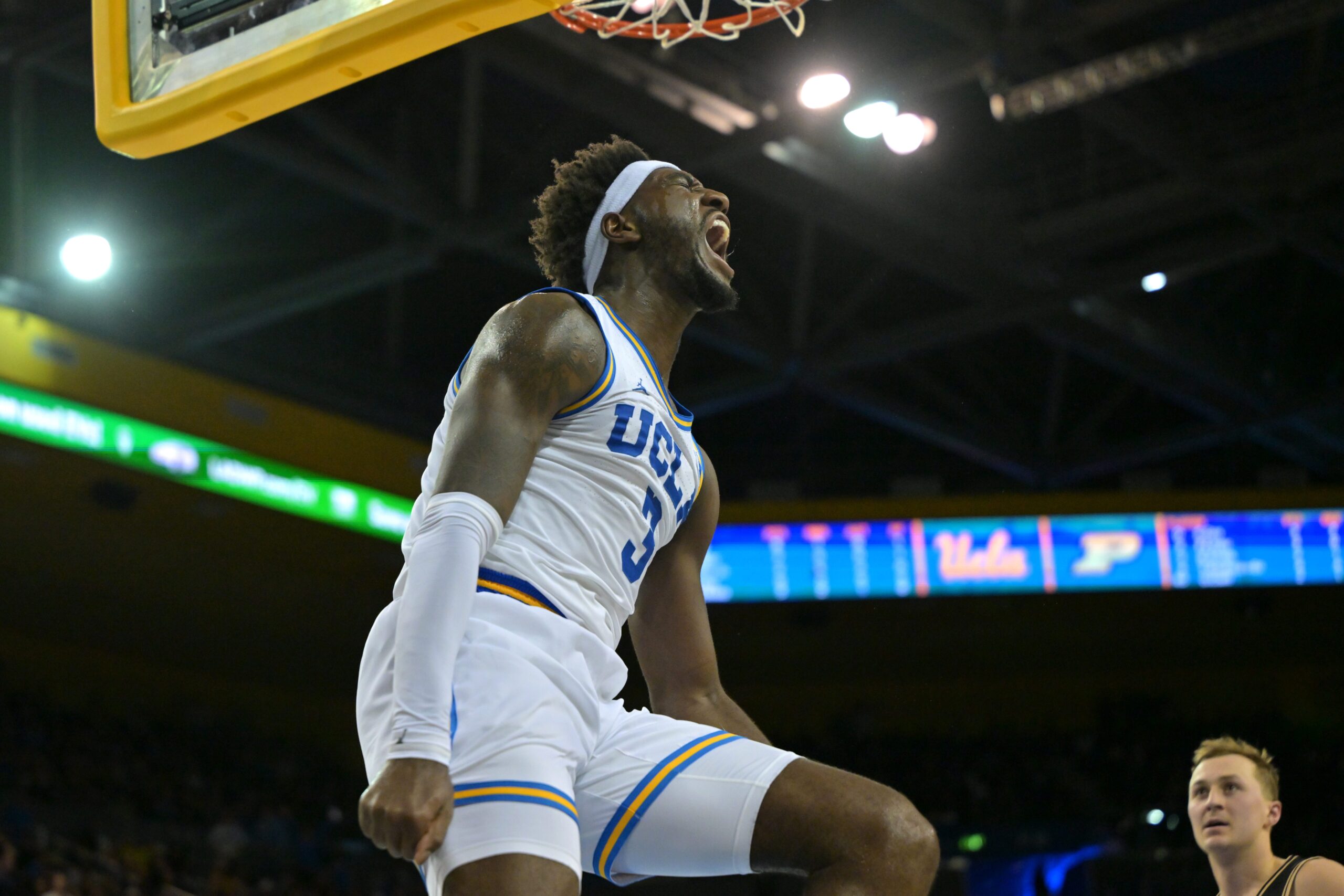
In a game that significantly altered the landscape of both the Pac-12 and Big Ten conferences, UCLA orchestrated a compelling upset victory over Purdue. This wasn’t just a win; it was a statement, a meticulously crafted performance that showcased Mick Cronin’s tactical acumen and the Bruins’ unwavering commitment to his system. This victory not only provides a crucial Quad 1 win, significantly boosting UCLA’s NCAA tournament aspirations, but it also serves as a case study in how to dismantle a highly-ranked opponent.
Purdue’s Offensive Prowess: A Force to be Reckoned With
Before diving into UCLA’s strategy, it’s crucial to understand the offensive juggernaut they faced. Purdue, under the guidance of Matt Painter, boasts a multifaceted attack centered around their dominant big man and a cadre of skilled shooters. Their offensive philosophy relies on a combination of post-ups, pick-and-rolls, and spot-up opportunities, making them incredibly difficult to defend. They excel at creating mismatches and exploiting defensive weaknesses, forcing opponents into difficult rotations and leaving them vulnerable to open looks from beyond the arc.
Cronin’s Defensive Masterplan: Slowing Down the Boilermakers
Mick Cronin recognized the need to disrupt Purdue’s offensive rhythm and limit their scoring opportunities. His defensive strategy was multi-pronged, focusing on containing Purdue’s primary scoring threats and forcing them into uncomfortable situations. This involved a combination of switching defenses, aggressive hedging on ball screens, and constant pressure on the perimeter.
Containing the Paint: A Priority for the Bruins
A key element of UCLA’s defensive game plan was limiting Purdue’s effectiveness in the paint. This wasn’t about completely shutting down their big man, but rather making him work for every basket and preventing easy post entries. The Bruins employed a strategy of fronting the post, with help-side defenders ready to double-team when necessary. This forced Purdue’s guards to make difficult passes into the post, increasing the risk of turnovers. Furthermore, UCLA’s guards were active in denying entry passes and disrupting Purdue’s offensive flow.
Guarding the Perimeter: Denying Open Looks
Purdue’s perimeter shooters are a crucial component of their offensive success. UCLA understood that allowing them open looks would be detrimental to their chances of winning. The Bruins implemented a strategy of aggressive closeouts and constant pressure on the perimeter. They were particularly focused on denying Purdue’s shooters clean looks from beyond the arc, forcing them to put the ball on the floor and drive into the teeth of the defense. This disrupted Purdue’s offensive flow and prevented them from establishing a consistent rhythm.
Switching Defenses: Keeping Purdue Guessing
To further disrupt Purdue’s offensive rhythm, UCLA frequently switched between different defensive schemes. This included switching on ball screens, trapping in the corners, and employing a zone defense at times. These changes kept Purdue’s offense off balance and prevented them from getting comfortable. The switching defenses forced Purdue to constantly adjust their offensive sets, which led to confusion and turnovers.
UCLA’s Offensive Execution: Capitalizing on Opportunities
While defense was paramount, UCLA’s offensive execution was equally crucial to their success. They needed to be efficient with their possessions, capitalize on scoring opportunities, and avoid turnovers. Their offensive strategy focused on ball movement, player movement, and attacking Purdue’s defensive weaknesses.
Ball Movement and Player Movement: Creating Openings
UCLA’s offense was characterized by its fluid ball movement and constant player movement. They rarely settled for contested shots, instead opting to pass the ball around until they found an open look. This ball movement forced Purdue’s defense to rotate and scramble, creating opportunities for UCLA’s shooters and drivers. The player movement kept Purdue’s defenders engaged and prevented them from focusing on individual matchups.
Attacking the Paint: Drawing Fouls and Creating Opportunities
UCLA recognized that attacking the paint was crucial to their offensive success. They consistently drove the ball to the basket, drawing fouls and creating opportunities for their teammates. This put Purdue’s defenders in foul trouble and forced them to be more cautious in their defensive rotations. Furthermore, attacking the paint opened up opportunities for UCLA’s shooters on the perimeter, as Purdue’s defenders were forced to collapse and help on the drive.
Transition Offense: Capitalizing on Turnovers
UCLA capitalized on Purdue’s turnovers by pushing the ball in transition. They looked to score easy baskets before Purdue’s defense could get set. This transition offense provided a much-needed spark and allowed them to build a lead. The Bruins’ ability to convert turnovers into points was a key factor in their victory.
Key Players and Their Contributions
While the tactical game plan was crucial, individual performances also played a significant role in UCLA’s victory. Several players stepped up and made key contributions on both ends of the court.
The Guards: Orchestrating the Offense and Defending the Perimeter
UCLA’s guards were instrumental in orchestrating the offense and defending Purdue’s perimeter shooters. They consistently made good decisions with the ball, distributed it effectively, and pressured Purdue’s guards on the defensive end. Their ability to control the tempo of the game and limit Purdue’s scoring opportunities was crucial to the Bruins’ success.
The Forwards: Rebounding and Scoring in the Paint
UCLA’s forwards played a key role in rebounding and scoring in the paint. They battled Purdue’s big men for rebounds, providing second-chance opportunities for the Bruins. They also scored crucial baskets in the paint, drawing fouls and creating opportunities for their teammates.
The Bench: Providing a Spark and Maintaining the Lead
UCLA’s bench provided a much-needed spark and helped maintain the lead. The reserves came in and played with energy and intensity, contributing on both ends of the court. Their ability to maintain the level of play when the starters were resting was crucial to the Bruins’ victory.
The Impact on UCLA’s NCAA Tournament Hopes
This victory over Purdue is a significant boost to UCLA’s NCAA tournament hopes. As a Quad 1 win, it carries significant weight in the eyes of the selection committee. It demonstrates that UCLA is capable of competing with and defeating elite teams. This win provides a crucial resume-building victory and significantly improves their chances of receiving an at-large bid to the NCAA tournament. The Bruins must continue to build on this momentum and perform well in their remaining games to secure their spot in the tournament.
Looking Ahead: Building on the Momentum
UCLA must build on this momentum and continue to improve as the season progresses. They need to maintain their focus, execute their game plan effectively, and continue to develop their chemistry. The Pac-12 conference is highly competitive, and UCLA will face numerous challenges in the coming weeks. However, if they can continue to play with the same intensity and focus that they displayed against Purdue, they have the potential to make a deep run in the NCAA tournament. This victory provides a blueprint for success, and UCLA must use it as a foundation for their future endeavors.
Conclusion: A Statement Victory for the Bruins
UCLA’s upset victory over Purdue was a statement win that showcased their tactical prowess, defensive intensity, and offensive execution. It was a meticulously crafted performance that significantly boosted their NCAA tournament hopes. This victory serves as a testament to Mick Cronin’s coaching ability and the Bruins’ unwavering commitment to his system. It also demonstrates that UCLA is a force to be reckoned with in the Pac-12 conference and a potential contender in the NCAA tournament. The Bruins must now build on this momentum and continue to improve as they strive to achieve their ultimate goal of winning a national championship.
FAQ Section
What made UCLA’s defense so effective against Purdue?
UCLA’s defense was effective due to a combination of factors including aggressive hedging on ball screens, constant pressure on the perimeter, and frequent switching between different defensive schemes. They focused on containing Purdue’s primary scoring threats and forcing them into uncomfortable situations, disrupting their offensive rhythm.
How did UCLA limit Purdue’s effectiveness in the paint?
UCLA limited Purdue’s effectiveness in the paint by fronting the post and providing help-side double teams when necessary. This forced Purdue’s guards to make difficult passes into the post, increasing the risk of turnovers. Additionally, UCLA’s guards were active in denying entry passes and disrupting Purdue’s offensive flow.
What was UCLA’s offensive strategy in the game?
UCLA’s offensive strategy focused on ball movement, player movement, and attacking Purdue’s defensive weaknesses. They consistently looked for open shots, attacked the paint to draw fouls, and capitalized on turnovers in transition.
How important is this win for UCLA’s NCAA tournament chances?
This win is extremely important for UCLA’s NCAA tournament chances. As a Quad 1 victory, it carries significant weight with the selection committee and demonstrates that UCLA is capable of defeating elite teams. It significantly improves their chances of receiving an at-large bid.
What does UCLA need to do to build on this win?
UCLA needs to maintain their focus, execute their game plan effectively, and continue to develop their chemistry. They must continue to play with the same intensity and focus that they displayed against Purdue and perform well in their remaining games to secure their spot in the tournament.