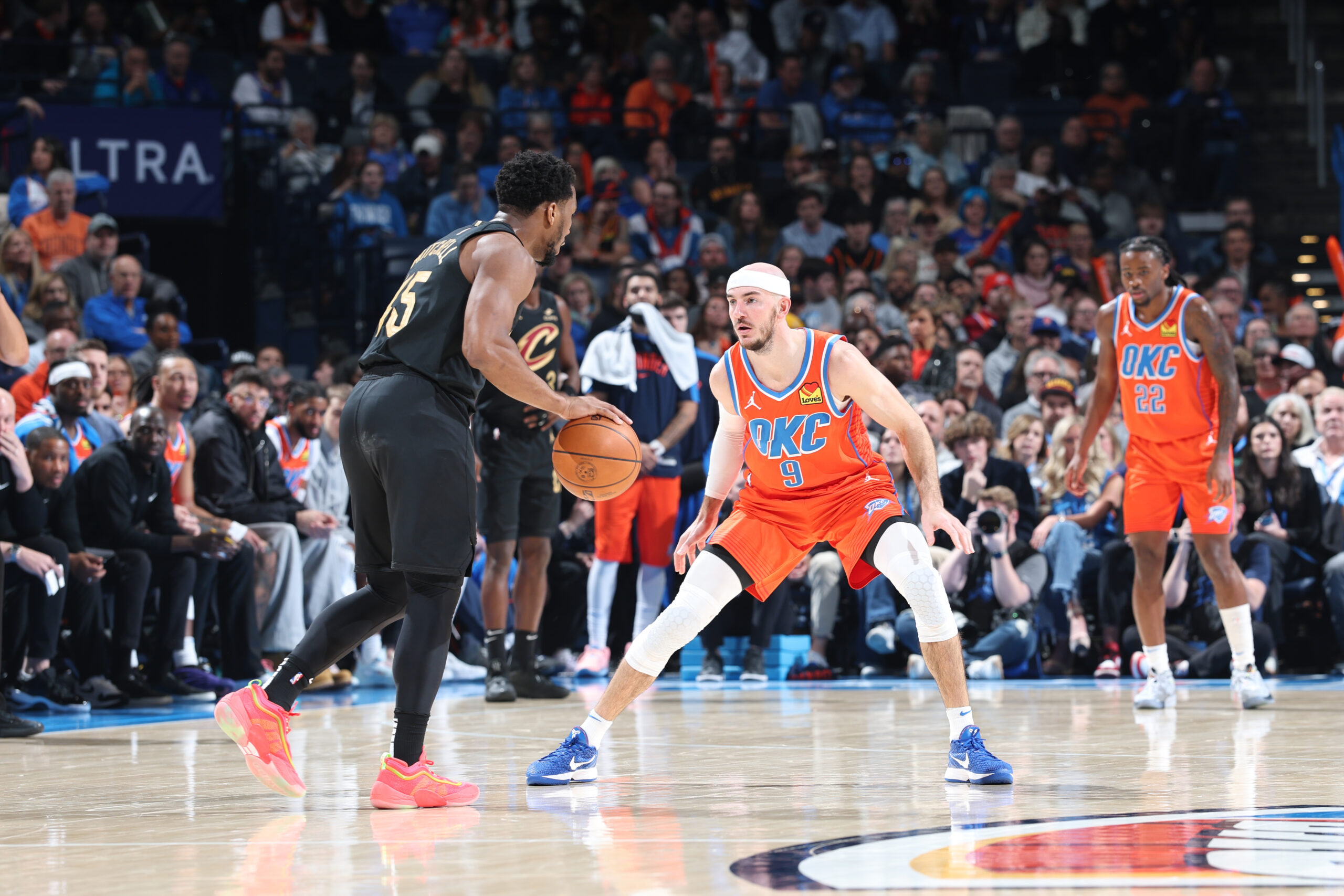
The 2026 DPOY Battle Heats Up
As the 2025-2026 NBA season barrels towards its second half, the race for the Defensive Player of the Year (DPOY) award is intensifying. This year, we’re witnessing a fascinating clash of styles and experience, with a generational talent, a seasoned veteran, and a rising star all vying for the coveted title. The frontrunners, as of January 20th, 2026, are Victor Wembanyama of the San Antonio Spurs, Rudy Gobert of the Minnesota Timberwolves, and Chet Holmgren of the Oklahoma City Thunder. Each player brings a unique set of skills and defensive prowess to the table, making this one of the most compelling DPOY races in recent memory.
Victor Wembanyama: The Unicorn’s Defensive Reign
Victor Wembanyama’s impact on the San Antonio Spurs has been nothing short of transformative. At 7’4″ with an unprecedented wingspan and agility, Wembanyama has quickly established himself as one of the league’s premier rim protectors and defensive disruptors. His presence alone deters opponents from attacking the basket, and his shot-blocking ability is simply breathtaking.
Wembanyama’s defensive impact extends beyond just blocked shots. His ability to switch onto smaller players, contest shots on the perimeter, and disrupt passing lanes makes him a versatile defender capable of guarding multiple positions. He is averaging impressive defensive stats, leading the league in blocks per game and showcasing a high defensive rating.
However, Wembanyama’s candidacy isn’t solely based on individual statistics. The Spurs’ overall defensive improvement since his arrival is a testament to his impact. While the team’s record might not reflect it, their defensive efficiency has jumped significantly, and opponents are scoring fewer points per game when Wembanyama is on the floor. The challenge for Wembanyama will be maintaining this level of impact throughout the season and further elevating the Spurs’ team defense. He needs to continue improving his defensive positioning and reducing foul trouble to maximize his minutes and impact.
Rudy Gobert: The Stifle Tower’s Continued Dominance
Rudy Gobert is no stranger to the DPOY award, having already won it multiple times throughout his illustrious career. Now with the Minnesota Timberwolves, Gobert continues to anchor one of the league’s best defenses. His size, strength, and impeccable timing make him an imposing force in the paint, and his ability to protect the rim is unparalleled.
Gobert’s defensive impact is multifaceted. He is an elite shot-blocker, rebounder, and interior defender. He excels at positioning himself to deter opponents from driving to the basket and consistently contests shots without fouling. His defensive rebounding is also crucial for the Timberwolves, allowing them to control the boards and limit second-chance opportunities for opponents.
The Timberwolves’ defensive success is largely attributed to Gobert’s presence. They consistently rank among the top teams in defensive rating, points allowed per game, and opponent field goal percentage. Gobert’s ability to communicate with his teammates and organize the defense is invaluable, and his leadership on that end of the floor is undeniable. While some might argue that Gobert’s defensive impact is already well-established, his continued dominance and the Timberwolves’ elite defense make him a strong contender for another DPOY award.
Chet Holmgren: The Rising Star’s Defensive Prowess
Chet Holmgren’s arrival in Oklahoma City has added a new dimension to the Thunder’s defense. After missing his initial season due to injury, Holmgren has quickly emerged as a defensive force, showcasing his unique blend of size, agility, and basketball IQ.
Holmgren’s defensive versatility is his greatest asset. At 7’1″ with a long wingspan, he can protect the rim, guard multiple positions, and disrupt passing lanes. His ability to switch onto smaller players and contest shots on the perimeter makes him a valuable asset in today’s NBA, where versatility is highly prized. He is averaging impressive block numbers and showcasing a high defensive rating.
The Thunder’s defensive improvement this season is directly correlated to Holmgren’s presence. The team’s defensive rating has improved significantly, and they are allowing fewer points per game. Holmgren’s ability to protect the rim and deter opponents from attacking the basket has been a game-changer for the Thunder. The challenge for Holmgren will be maintaining his level of play throughout the season and continuing to improve his strength and physicality to better defend against bigger, stronger opponents.
The Key Factors in Determining the Winner
While individual statistics play a role in the DPOY voting, several other factors are also considered. These include:
* **Team Success:** Voters often favor players on teams with strong overall defensive records. A player’s individual defensive impact is amplified when it contributes to a winning team.
* **Defensive Rating:** Defensive rating measures a team’s points allowed per 100 possessions. A low defensive rating indicates a strong defensive team, and players on such teams often receive more consideration for the DPOY award.
* **Impact Metrics:** Advanced metrics like Defensive Win Shares, Block Percentage, and Steal Percentage can provide further insight into a player’s defensive impact. These metrics help quantify a player’s contributions beyond traditional statistics.
* **Narrative:** The narrative surrounding a player can also influence the voting. Factors such as a player’s reputation, their impact on their team’s culture, and their overall story can all play a role.
The Road Ahead
The DPOY race is far from over, and the remaining months of the season will be crucial in determining the winner. Each of the frontrunners faces unique challenges:
* **Victor Wembanyama:** Needs to continue improving his defensive positioning and reduce foul trouble. The Spurs also need to show improvement as a team defensively.
* **Rudy Gobert:** Needs to maintain his level of dominance and continue anchoring the Timberwolves’ elite defense. Voters may be hesitant to award him another DPOY, given his previous wins.
* **Chet Holmgren:** Needs to continue improving his strength and physicality to better defend against bigger, stronger opponents. The Thunder also need to maintain their strong defensive play as a team.
Ultimately, the winner of the 2026 DPOY award will be the player who can consistently demonstrate their defensive dominance, contribute to their team’s success, and capture the imagination of the voters. This year’s race is shaping up to be one of the most exciting in recent memory, and it will be fascinating to see who emerges victorious. The second half of the season will be the proving ground, where consistency, impact, and team success will ultimately decide who takes home the trophy. The evolution of each player’s defensive game and their ability to adapt to opponents’ strategies will also be critical factors. This isn’t just about individual brilliance; it’s about how each player elevates their team’s overall defensive performance.
The Underdogs and Dark Horses
While Wembanyama, Gobert, and Holmgren are the current frontrunners, several other players could emerge as contenders as the season progresses. Keep an eye on players like Bam Adebayo of the Miami Heat, who consistently anchors a strong defensive team, and Jaren Jackson Jr. of the Memphis Grizzlies, the reigning DPOY who, despite the Grizzlies struggles, still possesses immense defensive talent. Giannis Antetokounmpo of the Milwaukee Bucks is always a threat due to his incredible athleticism and defensive versatility. A strong second half of the season from any of these players could propel them into the DPOY conversation.
Predicting the Winner
Making a definitive prediction at this stage is difficult, but based on current performance and team success, Rudy Gobert holds a slight edge. His consistent dominance, the Timberwolves’ elite defense, and his established reputation make him a strong contender. However, Wembanyama’s generational talent and Holmgren’s rising star status cannot be discounted. The final months of the season will be crucial in determining who ultimately takes home the hardware. The ability to stay healthy, maintain a high level of play, and contribute to team success will be the deciding factors. This is a race that will likely go down to the wire, and the winner will undoubtedly be a deserving recipient of the prestigious Defensive Player of the Year award.
The Importance of Defensive Versatility in Today’s NBA
The modern NBA demands defensive versatility more than ever before. Gone are the days when a traditional center could simply patrol the paint and focus solely on rebounding and blocking shots. Today’s defenders must be able to switch onto smaller players, guard multiple positions, and contribute to team defensive schemes in a variety of ways. Wembanyama and Holmgren, in particular, exemplify this modern defensive versatility. Their ability to guard both the perimeter and the paint makes them incredibly valuable assets for their respective teams. Gobert, while more of a traditional center, has also improved his ability to switch onto smaller players and defend in space. This evolution in defensive skillsets is a testament to the changing nature of the game and the increasing importance of versatility on both ends of the court.
The Impact of Coaching and Defensive Schemes
The impact of coaching and defensive schemes cannot be overstated. A well-designed defensive system can amplify a player’s strengths and mask their weaknesses. Coaches like Gregg Popovich in San Antonio, Chris Finch in Minnesota, and Mark Daigneault in Oklahoma City have all implemented defensive schemes that maximize their players’ abilities. These schemes often involve complex rotations, aggressive help defense, and a focus on communication and teamwork. The success of a team’s defense is often a reflection of the quality of its coaching and the players’ ability to execute the game plan. The DPOY award is not just an individual accolade; it is also a testament to the coaching staff’s ability to create a winning defensive culture.
FAQ Section
What statistics are most important when considering a DPOY candidate?
While blocks and steals are eye-catching, defensive rating, defensive win shares, and overall team defensive performance are crucial. A player’s impact on limiting opponent scoring and creating turnovers is paramount.
How much does team record factor into the DPOY voting?
Team record is a significant factor. Voters tend to favor players on teams with strong overall defensive records, as it suggests the player’s individual contributions are translating into team success.
Has a player on a losing team ever won DPOY?
It’s rare, but it has happened. It requires an exceptional individual defensive performance that is undeniable, even if the team struggles overall.
Is it possible for two players from the same team to be DPOY candidates?
Yes, it’s possible, but unlikely. Voters typically spread the accolades, and it’s rare for two players on the same team to have such a dominant defensive impact that they both warrant serious consideration.
How has the DPOY criteria changed over the years?
The criteria has evolved to reflect the changing nature of the game. Defensive versatility, the ability to guard multiple positions, and impact on overall team defense are now more heavily emphasized than in the past, when rim protection was the primary focus.
What is defensive win shares?
Defensive Win Shares is an estimate of the number of wins contributed by a player due to his defense.
What is considered a good defensive rating in the NBA?
A defensive rating below 105 is generally considered excellent, indicating that the team is very effective at preventing opponents from scoring.
How important is rebounding for a DPOY candidate?
Rebounding is very important, particularly defensive rebounding. Controlling the boards limits second-chance opportunities for opponents and is a key component of strong defense.
What role does coaching play in a player winning DPOY?
Coaching plays a significant role. A well-designed defensive system can amplify a player’s strengths and mask their weaknesses, allowing them to have a greater impact on the game.
Are there any biases in the DPOY voting process?
Like any subjective award, there can be biases. Voters may be influenced by a player’s reputation, their market size, or their overall narrative. However, voters generally strive to be objective and consider all relevant factors.