
Deconstructing the Final Possession: Celtics vs. Pistons
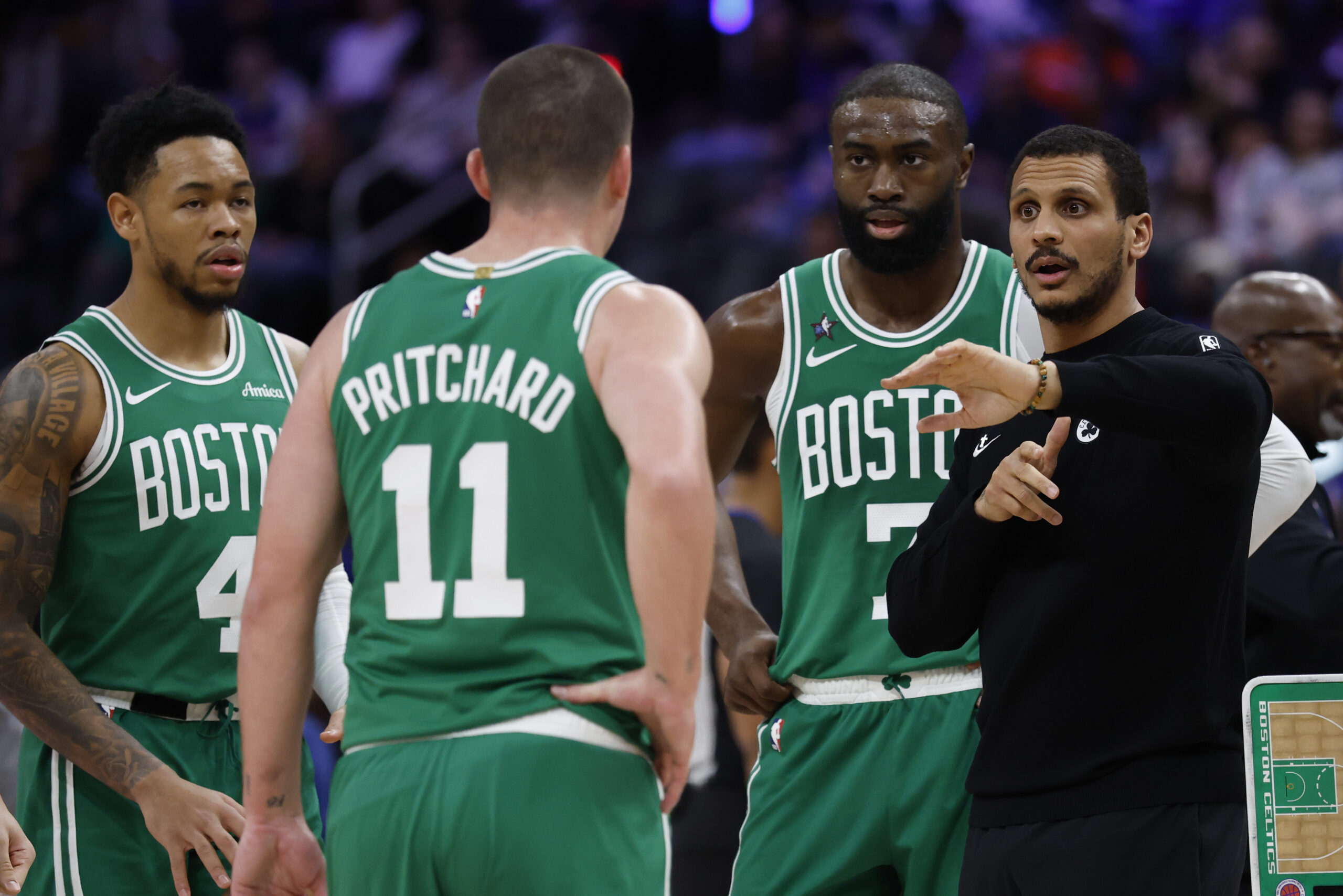
In a tightly contested matchup against the Detroit Pistons on January 20, 2026, Jaylen Brown found himself with the ball in his hands, the clock winding down, and the opportunity to secure a victory for the Boston Celtics. While the shot ultimately rimmed out, Brown’s confidence remains unshaken, as evidenced by his post-game quote: “I’ll take that.” This statement, however, belies the complexity of late-game situations and the crucial decisions that dictate success or failure. This analysis will dissect the final possession, examining the Celtics’ offensive strategy, Brown’s shot selection, and the broader context of their clutch performance this season.
The Setup: Context and Game Flow
To fully understand the final play, it’s essential to consider the game’s trajectory. The Celtics and Pistons battled fiercely throughout the contest, with multiple lead changes and neither team establishing a significant advantage. The Pistons, playing with renewed energy and determination, proved to be a challenging opponent. This close game magnified the importance of each possession, especially in the final minutes. Understanding the Celtics’ offensive tendencies and the Pistons’ defensive schemes leading up to the final play provides vital context.
The Play Call: Intentions and Options
The specific play called by Celtics coach Joe Mazzulla in the timeout preceding the final possession is crucial. Was the primary option designed for Brown, or was he intended to be a secondary or tertiary choice? The play’s design reveals the coaching staff’s trust in Brown’s ability to create a shot and the team’s overall offensive philosophy in clutch situations. Examining the Celtics’ playbook (or at least informed speculation based on observed tendencies) is key. Did the play involve a specific screen or movement to free Brown? Did it account for potential defensive switches or double teams? The success of any late-game play hinges on its ability to exploit defensive weaknesses and create high-percentage scoring opportunities.
Furthermore, the spacing on the floor matters immensely. Were other Celtics players positioned to provide passing options or offensive rebounds? A well-spaced floor prevents the defense from collapsing on the primary ball-handler and allows for better shot opportunities. The presence of reliable shooters like Jayson Tatum, Kristaps Porziņģis, and Derrick White forces the defense to respect the perimeter, potentially opening driving lanes for Brown.
Brown’s Decision-Making: Shot Selection and Execution
With the game on the line, Brown received the ball in a critical area of the court. What was his initial read of the defense? Did he recognize any mismatches or opportunities to attack the basket? His decision to pull up for a jump shot suggests a belief in his ability to create space and knock down the shot. However, a closer look at the shot selection is warranted.
Was the shot contested? If so, how closely? A heavily contested jump shot, even for a talented scorer like Brown, is a lower-percentage shot compared to a drive to the basket or a pass to an open teammate. Analyzing the defender’s positioning, Brown’s separation, and the overall shot difficulty is crucial. Furthermore, consider the time remaining on the clock. Did Brown have enough time to make a more decisive move towards the basket? Did he consider drawing a foul?
The execution of the shot itself is another critical factor. Did Brown maintain his balance and shooting form? Did he rush the shot due to pressure? Even the slightest deviation in technique can significantly impact the shot’s accuracy. Replaying the footage in slow motion can reveal subtle details that might have contributed to the miss.
Alternative Options: Hindsight and What-Ifs
In the aftermath of a missed buzzer-beater, it’s natural to speculate about alternative options. Could Brown have passed the ball to a teammate in a better position? Was there an opportunity to drive to the basket and draw a foul? These questions are not meant to criticize Brown’s decision-making but rather to explore the complexities of late-game situations and the split-second decisions that players must make.
For instance, was Jayson Tatum open on the perimeter? Did Porziņģis have a favorable matchup inside? Exploring these possibilities highlights the importance of team chemistry, trust, and the ability to make quick reads under pressure. A successful late-game offense often involves multiple options and the ability to adapt to the defense’s reaction.
Celtics’ Clutch Performance: A Broader Perspective
While this particular possession resulted in a miss, it’s important to assess the Celtics’ overall performance in clutch situations this season. How do they rank in terms of offensive and defensive rating in the final five minutes of close games? What is their record in games decided by five points or less? These statistics provide a more comprehensive picture of their ability to perform under pressure.
Furthermore, analyzing their offensive tendencies in clutch situations can reveal valuable insights. Do they rely heavily on isolation plays, or do they prioritize ball movement and player movement? Do they tend to favor certain players or play calls in late-game scenarios? Understanding these patterns can help predict their approach in future close games.
Cleaning the Glass, a website dedicated to advanced NBA statistics, provides valuable data on team performance in various game situations. Examining their clutch statistics can offer a more nuanced understanding of the Celtics’ strengths and weaknesses in these critical moments. For example, their effective field goal percentage and turnover rate in close games can indicate their offensive efficiency and decision-making under pressure.
The Psychological Aspect: Pressure and Confidence
The mental aspect of late-game situations cannot be overlooked. The pressure to perform can be immense, and players must possess the mental fortitude to remain calm and focused. Brown’s post-game comment, “I’ll take that,” suggests a high level of confidence in his abilities and a willingness to take responsibility for the outcome. This confidence is crucial for any player who aspires to be a go-to scorer in clutch situations.
Furthermore, the support of teammates and coaches can play a significant role in a player’s mental state. A team that believes in its players and provides unwavering support can help them overcome the pressure and perform at their best. The Celtics’ coaching staff likely emphasizes the importance of mental toughness and provides strategies for dealing with the pressure of late-game situations.
Defensive Strategies Against the Celtics: Late-Game Adjustments
Opposing teams are constantly analyzing the Celtics’ offensive tendencies and developing defensive strategies to counter their strengths. In late-game situations, defenses often become more aggressive, employing tactics such as double teams, traps, and switching to disrupt the Celtics’ offensive flow.
Understanding these defensive strategies is crucial for the Celtics’ coaching staff. They must anticipate the opponent’s adjustments and develop counter-strategies to exploit defensive weaknesses. This might involve setting specific screens to free up shooters, running plays designed to create mismatches, or simply emphasizing ball movement to keep the defense off balance.
The Evolution of Late-Game Offense in the NBA
The NBA has witnessed a significant evolution in late-game offensive strategies over the years. In the past, isolation plays were more prevalent, with teams often relying on their star players to create shots in one-on-one situations. However, as the game has evolved, teams have increasingly emphasized ball movement, player movement, and a more egalitarian offensive approach.
This shift reflects a greater understanding of offensive efficiency and the importance of creating high-percentage scoring opportunities. While isolation plays can still be effective in certain situations, teams are now more likely to prioritize plays that involve multiple options and exploit defensive weaknesses. The Celtics, under Coach Mazzulla, often incorporate elements of both styles, blending isolation plays for Tatum and Brown with sophisticated off-ball movement and screening actions.
Moving Forward: Lessons Learned and Future Adjustments
The missed buzzer-beater against the Pistons serves as a valuable learning experience for both Brown and the Celtics. It provides an opportunity to analyze their decision-making, refine their offensive strategies, and improve their overall performance in clutch situations. Brown’s confidence, coupled with the team’s commitment to continuous improvement, suggests that they will be well-prepared for future challenges.
The Celtics’ coaching staff will undoubtedly review the game footage, identify areas for improvement, and make necessary adjustments to their game plan. This might involve tweaking their play calls, emphasizing certain offensive principles, or simply reinforcing the importance of making smart decisions under pressure. The ultimate goal is to create a more efficient and reliable late-game offense that can consistently deliver victories.
FAQ
Why did Jaylen Brown take the last shot instead of Jayson Tatum?
While Jayson Tatum is often considered the Celtics’ primary scoring option, the specific play call and defensive matchups can dictate who takes the final shot. In this instance, the play may have been designed to get Brown the ball in a favorable position, or the defense may have focused heavily on Tatum, making Brown the better option. Coach Mazzulla likely considered various factors when deciding who would be the primary option on that play.
Could the Celtics have called a timeout earlier to set up a better play?
The timing of timeouts is a strategic decision that coaches carefully consider. Calling a timeout too early can allow the opposing team to adjust their defense, while waiting too long can leave limited time to execute a play. In this case, Coach Mazzulla likely weighed the benefits of calling a timeout earlier against the risk of allowing the Pistons to prepare their defense.
What can the Celtics do to improve their late-game offense?
Improving late-game offense requires a multifaceted approach. This includes refining play calls, emphasizing ball movement and player movement, improving shot selection, and developing a greater understanding of defensive strategies. Additionally, fostering trust and communication among players is crucial for making smart decisions under pressure. Practicing late-game scenarios in training can also help players develop the mental toughness needed to perform at their best in critical moments.
How much does fatigue factor into late-game performance?
Fatigue is a significant factor in late-game performance. As players become tired, their decision-making, shooting accuracy, and defensive intensity can all decline. Coaches often manage player minutes carefully to ensure that key players are fresh in the final minutes of close games. Utilizing the bench effectively and providing players with adequate rest throughout the game can help mitigate the effects of fatigue.
What role does luck play in buzzer-beaters?
While skill and strategy are paramount, luck undoubtedly plays a role in buzzer-beaters. Even the most skilled shooters can miss a shot due to a slight miscalculation or a lucky bounce. However, consistently putting yourself in a position to take those shots increases the odds of success over time. Ultimately, while luck can influence individual outcomes, consistent execution and sound decision-making are the keys to long-term success in clutch situations.