
Analyzing the Cavaliers’ Dismal Performance Against the Thunder
As head coach, I’m not one for making excuses. The Oklahoma City Thunder came into our building tonight and thoroughly outplayed us. The final score, 136-104, speaks for itself. While every loss stings, this one demands a serious examination. We need to understand exactly where we fell short and implement changes to prevent a repeat performance. Let’s delve into the key statistics that paint a clear picture of what went wrong.
1. Three-Point Shooting Disparity
This is the most glaring statistic. The Thunder shot a blistering 51.4% from beyond the arc (19-37), while we struggled mightily at 26.9% (7-26). In today’s NBA, you simply can’t win games when your opponent is hitting threes at that rate and you’re ice cold. Their spacing was excellent, and they moved the ball effectively to find open looks. We need to contest shots more aggressively and improve our rotations on the perimeter. The Thunder’s efficiency from three put immense pressure on our defense and stretched us thin.
2. Shai Gilgeous-Alexander’s Dominance
Shai Gilgeous-Alexander was the best player on the court tonight, plain and simple. He finished with 32 points on efficient shooting, consistently getting to the basket and drawing fouls. We struggled to contain his penetration, and he repeatedly made the right decisions, whether it was scoring himself or finding open teammates. Our defensive game plan centered around limiting his impact, but we failed to execute it effectively. We need to be more physical with him and force him into tougher shots.
3. Rebounding Woes
Rebounding is a matter of effort and positioning, and tonight, the Thunder were more committed to both. They out-rebounded us 48-36. Second-chance points are momentum killers, and they capitalized on their offensive rebounds, extending possessions and adding to our defensive fatigue. Jarrett Allen and Evan Mobley need to be more assertive on the glass. Rebounding is a collective effort, and everyone needs to contribute.
4. Assist Differential: A Tale of Two Offenses
The Thunder’s ball movement was exceptional, leading to 31 assists compared to our 20. They shared the ball effectively, creating open looks for everyone on the floor. Our offense, on the other hand, became stagnant at times, relying too heavily on individual efforts. We need to move the ball with more purpose and trust each other to make the right plays. A higher assist total indicates better teamwork and a more efficient offensive flow.
5. Points in the Paint: Losing the Battle Inside
The Thunder outscored us 54-42 in the paint. This highlights our struggles in protecting the rim and their ability to consistently get to the basket. While Jarrett Allen is a solid rim protector, he needs more support from our perimeter defenders. We need to be more aggressive in challenging shots at the rim and preventing easy layups.
6. Bench Production: Thunder’s Advantage
Oklahoma City’s bench outscored our bench 48-32. Their reserves provided a significant spark, maintaining their lead and preventing us from mounting any serious comeback attempts. We need more consistent production from our bench players. They need to be ready to contribute offensively and defensively when their number is called.
7. Free Throw Disparity
While not as dramatic as some other statistics, the Thunder shot 17-20 from the free-throw line, while we shot 11-14. These small advantages can add up, especially in close games. We need to be more disciplined on defense to avoid unnecessary fouls and capitalize on our opportunities at the free-throw line.
8. Defensive Intensity: Lacking Urgency
Our defensive intensity was simply not where it needed to be. We allowed the Thunder to shoot 56.2% from the field. We weren’t aggressive enough in pressuring the ball, and we didn’t communicate effectively on defensive rotations. Defense is about effort and focus, and tonight, we were lacking in both areas. We need to hold ourselves accountable and commit to playing with more defensive urgency.
9. Turnovers: Giving Away Possessions
We committed 15 turnovers, which led to 18 points for the Thunder. Turnovers are momentum killers and give the opponent easy scoring opportunities. We need to be more careful with the ball and make smarter decisions. Protecting the ball is crucial for maintaining possession and controlling the tempo of the game.
10. Transition Defense: Getting Back in Time
The Thunder scored 22 fast break points, highlighting our struggles in transition defense. We weren’t quick enough to get back and set up our defense, allowing them to get easy baskets in transition. Transition defense is about sprinting back and communicating effectively. We need to improve our awareness and effort in this area.
11. Plus/Minus Ratings: A Reflection of Overall Performance
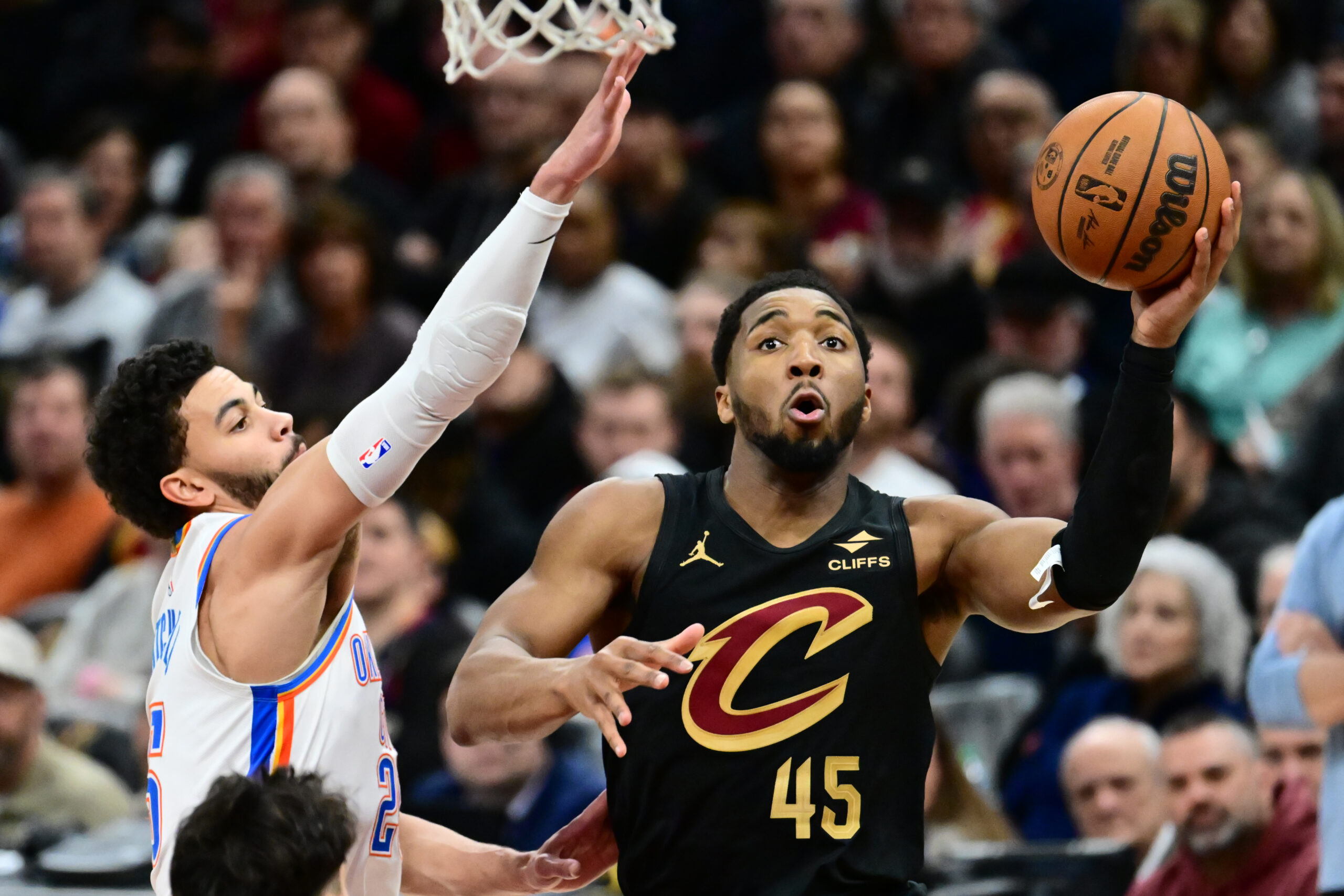
Looking at the plus/minus ratings, it’s clear that our starters struggled significantly. Donovan Mitchell, typically a reliable scorer, had a tough night, finishing with a negative plus/minus. Darius Garland also struggled to find his rhythm. These numbers reflect the overall struggles of our team and highlight the need for improved performance from our key players.
Moving Forward
This loss is a wake-up call. We need to address these issues head-on and make the necessary adjustments. We’ll be spending extra time in practice working on our defense, rebounding, and ball movement. We have a talented team, and I’m confident that we can bounce back from this setback. It’s about commitment, focus, and a willingness to learn from our mistakes. We need to approach every game with a sense of urgency and play with the intensity that’s required to compete at the highest level. We’ll review the film, identify our errors, and come back stronger in our next game.
FAQ Section
What adjustments will the Cavaliers make to improve their three-point defense?
We will be focusing on several key areas. First, we need to be more aggressive in closing out on shooters, denying them open looks. Second, our rotations need to be quicker and more precise, ensuring that we’re always contesting shots. Finally, we need to improve our communication on defense, making sure everyone is aware of their assignments and responsibilities.
How will the Cavaliers address their rebounding struggles?
Rebounding is about effort and positioning. We will emphasize the importance of boxing out opponents and attacking the glass with more aggression. We’ll also work on improving our positioning and anticipation, allowing us to secure more rebounds. It’s a collective effort, and everyone needs to contribute on the boards.
What can the Cavaliers do to improve their offensive ball movement?
We need to move the ball with more purpose and trust each other to make the right plays. This means making quick decisions, passing the ball to open teammates, and avoiding holding onto the ball for too long. We’ll also work on running more set plays that encourage ball movement and create scoring opportunities.
How will the Cavaliers improve their bench production?
Our bench players need to be ready to contribute offensively and defensively when their number is called. We’ll work on integrating them more seamlessly into our offensive system and giving them more opportunities to showcase their skills. We also need to find the right combinations of players that complement each other and create a balanced lineup.
What is the key takeaway from this loss to the Thunder?
The key takeaway is that we need to play with more intensity and focus on both ends of the court. We can’t afford to take any team lightly, and we need to approach every game with a sense of urgency. We have the talent to compete at the highest level, but we need to execute our game plan and play with consistent effort and determination.