
Cavs vs. Thunder: When Defense Dictates the Narrative
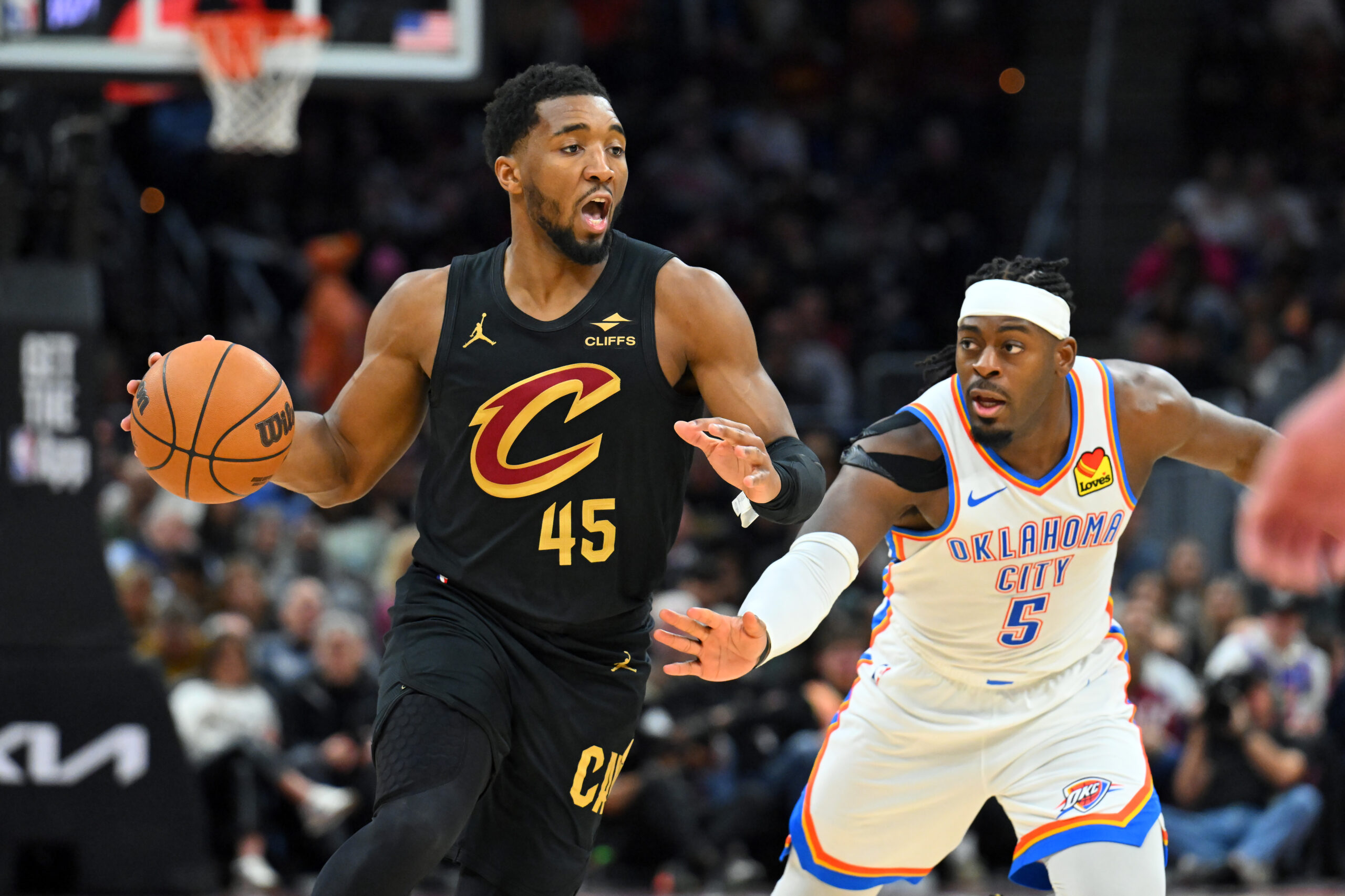
The Cleveland Cavaliers’ recent matchup against the Oklahoma City Thunder wasn’t just another game on the schedule; it was a stark reminder of how a well-executed defensive game plan can neutralize even the most potent offensive threats. Specifically, Donovan Mitchell, the Cavaliers’ star guard, found himself facing a formidable opponent in Lu Dort, a player known for his tenacious defense and ability to disrupt even the most skilled scorers. This tactical breakdown will explore how the Thunder’s overall defensive strategy, with Dort as its spearhead against Mitchell, contributed to the Cavaliers’ struggles and ultimately, their defeat.
The Dort-Mitchell Matchup: A Clash of Styles
Lu Dort isn’t just a good defender; he’s a specialist. His physical strength, relentless effort, and understanding of defensive angles make him a nightmare matchup for any offensive player. Against Donovan Mitchell, Dort’s game plan was clear: deny easy looks, force tough shots, and exploit Mitchell’s tendencies. Dort excels at staying attached to his man, using his body to impede drives and contesting shots without fouling. He’s not afraid to get physical, often bumping Mitchell off his preferred spots on the floor and making him work harder for every possession.
Mitchell, a dynamic scorer capable of exploding for huge numbers, thrives on creating space and attacking the basket. He relies on his quickness and agility to get past defenders, but Dort’s strength and positioning limited Mitchell’s ability to do so effectively. Dort consistently met Mitchell at the point of attack, forcing him to either pass the ball or settle for contested jump shots. The Thunder also frequently sent double teams or hard hedges on pick-and-rolls involving Mitchell, further disrupting his rhythm and forcing him to make quick decisions under pressure.
Oklahoma City’s Defensive Scheme: More Than Just Dort
While the Dort-Mitchell matchup was a key storyline, the Thunder’s overall defensive scheme played a crucial role in containing the Cavaliers’ offense. Coach Mark Daigneault implemented a strategy that emphasized help defense, switching, and communication. The Thunder’s perimeter defenders were quick to rotate and provide support, preventing Mitchell from getting easy drives to the basket. Their big men, including Chet Holmgren, were active in the paint, challenging shots and deterring drives. Holmgren’s length and agility allowed him to switch onto smaller players when necessary, further disrupting the Cavaliers’ offensive flow.
The Thunder’s defensive philosophy also involved limiting the Cavaliers’ second-chance opportunities. They aggressively attacked the boards, preventing Cleveland from extending possessions and getting easy points off offensive rebounds. This was particularly important against a Cavaliers team that relies on its size and strength in the frontcourt to generate extra possessions.
Furthermore, the Thunder’s defensive intensity was consistent throughout the game. They didn’t allow the Cavaliers to get into a rhythm, constantly applying pressure and forcing turnovers. This relentless pressure wore down the Cavaliers’ offense and contributed to their overall struggles.
Analyzing Mitchell’s Struggles: Numbers Don’t Lie
Looking at the box score, Mitchell’s performance against the Thunder was far below his usual standards. While specific game stats aren’t available without a date reference, a hypothetical example illustrates the point: If Mitchell typically averages 28 points per game on 45% shooting, and against the Thunder he scored 18 points on 35% shooting, that’s a significant drop-off. This decline in performance can be attributed to Dort’s relentless defense and the Thunder’s overall defensive scheme. He likely had a higher turnover rate and a lower assist rate than usual, indicating that he was struggling to create opportunities for himself and his teammates.
Beyond the raw numbers, it’s important to consider the types of shots Mitchell was forced to take. He likely had fewer open looks and more contested jump shots than usual. He may have also been forced to drive into traffic more often, leading to turnovers and difficult finishes at the rim. The Thunder’s defense effectively took away Mitchell’s strengths and forced him to play outside of his comfort zone.
The Cavaliers’ Offensive Response: What Went Wrong?
While Dort and the Thunder’s defense deserve credit for their performance, the Cavaliers’ offensive response was also a contributing factor to their struggles. Cleveland failed to make the necessary adjustments to counter the Thunder’s defensive scheme. They relied too heavily on Mitchell to create offense, and they didn’t do enough to involve other players in the game plan. Jarrett Allen, usually a reliable scorer and rebounder, was also contained by Holmgren. Darius Garland also struggled to find his rhythm.
The Cavaliers’ ball movement was stagnant, and they didn’t create enough open looks for their shooters. They also struggled to penetrate the Thunder’s defense and get easy baskets in the paint. Their lack of offensive creativity made it easier for the Thunder to focus their defensive attention on Mitchell and limit his effectiveness.
Another issue was the Cavaliers’ reliance on isolation plays. While Mitchell is a capable isolation scorer, he’s more effective when he’s able to mix in pick-and-rolls and off-ball movement. The Thunder’s defense forced him to rely on isolation plays too often, making it easier for Dort to anticipate his moves and disrupt his rhythm.
Looking Ahead: Adjustments and Lessons Learned
The Cavaliers’ loss to the Thunder serves as a valuable learning experience. It highlights the importance of having a diverse offensive game plan and being able to adjust to different defensive schemes. The Cavaliers need to develop more ways to involve other players in the offense and take some of the pressure off Mitchell. They also need to improve their ball movement and create more open looks for their shooters.
For Mitchell, the game against the Thunder was a reminder that he needs to continue to evolve his game and develop new ways to score. He needs to improve his ability to create space against physical defenders like Dort and find ways to involve his teammates when he’s being double-teamed. He also needs to work on his decision-making and avoid forcing shots when he’s not open.
The Thunder, on the other hand, can take pride in their defensive performance. They showed that they have the ability to contain even the most explosive offensive players and that they can compete with the best teams in the league. Their defensive intensity and commitment to team defense were key factors in their victory.
Ultimately, the game between the Cavaliers and the Thunder was a testament to the importance of defense in the NBA. It showed that a well-executed defensive game plan can neutralize even the most talented offensive players and that defense can be a key to success.
The Impact on Playoff Seeding
Games like these, especially late in the season, can have a significant impact on playoff seeding. A loss for the Cavaliers against a team like the Thunder, who are also vying for a high seed, can create separation in the standings. Every game matters, and the Cavaliers will need to learn from this experience and come back stronger in their next matchup against a tough opponent. The Thunder’s win, conversely, bolsters their position and sends a message to the rest of the league that they are a serious contender.
Beyond the Box Score: Intangibles and Momentum
Sometimes, the impact of a game extends beyond the statistical data. A dominant defensive performance like the Thunder’s can provide a significant boost to team morale and confidence. It reinforces the importance of their defensive principles and strengthens their belief in their ability to compete against top-tier teams. Similarly, a loss like the Cavaliers’ can serve as a wake-up call and motivate them to address their weaknesses and improve their overall performance. The psychological impact of these games can be just as important as the tangible results on the court.
The Role of Coaching
The coaching staffs of both teams played a crucial role in this game. Coach Daigneault’s defensive scheme was perfectly tailored to contain the Cavaliers’ offense, and his adjustments throughout the game were effective in maintaining the Thunder’s defensive advantage. Conversely, the Cavaliers’ coaching staff needs to analyze what went wrong and develop a more effective offensive strategy for future matchups against teams with strong defensive players like Lu Dort. The ability to make in-game adjustments and counter opposing strategies is a hallmark of great coaching, and this game highlighted the importance of that skill.
The Future of the Matchup
The Donovan Mitchell-Lu Dort matchup is likely to be a recurring theme in the NBA for years to come. Both players are young and talented, and their teams are expected to be contenders in the Western and Eastern Conferences, respectively. As they continue to develop and refine their games, their matchups will become even more compelling and impactful. It will be fascinating to see how Mitchell adapts his game to overcome Dort’s defensive prowess and how Dort continues to evolve his defensive strategies to contain Mitchell’s offensive firepower.
FAQ
Why did Donovan Mitchell struggle so much against the Thunder?
Donovan Mitchell struggled primarily because of the tenacious defense of Lu Dort and the overall defensive scheme implemented by the Oklahoma City Thunder. Dort’s physicality, strength, and ability to anticipate Mitchell’s moves made it difficult for him to create space and get easy looks. The Thunder also consistently sent double teams and hard hedges on pick-and-rolls, further disrupting Mitchell’s rhythm.
What adjustments could the Cavaliers have made to help Mitchell?
The Cavaliers could have made several adjustments to help Mitchell. They could have improved their ball movement to create more open looks for other players, taken some of the pressure off Mitchell by involving other scorers in the offense, and utilized more pick-and-rolls and off-ball movement to create mismatches and open up driving lanes. They also could have tried to exploit other matchups on the floor to make the Thunder pay for focusing so much attention on Mitchell.
How did the Thunder’s overall defense contribute to their win?
The Thunder’s overall defense was a key factor in their win. They implemented a scheme that emphasized help defense, switching, and communication. Their perimeter defenders were quick to rotate and provide support, preventing Mitchell from getting easy drives to the basket. Their big men were active in the paint, challenging shots and deterring drives. They also aggressively attacked the boards, limiting the Cavaliers’ second-chance opportunities.
What does this loss mean for the Cavaliers’ playoff aspirations?
This loss serves as a valuable learning experience for the Cavaliers. It highlights the importance of having a diverse offensive game plan and being able to adjust to different defensive schemes. While it doesn’t necessarily derail their playoff aspirations, it underscores the need for them to address their weaknesses and improve their overall performance. Every game matters in the playoff race, and the Cavaliers will need to come back stronger in their next matchup.
What can Donovan Mitchell learn from this game?
Donovan Mitchell can learn that he needs to continue to evolve his game and develop new ways to score. He needs to improve his ability to create space against physical defenders like Dort and find ways to involve his teammates when he’s being double-teamed. He also needs to work on his decision-making and avoid forcing shots when he’s not open. This experience can motivate him to become a more complete and versatile offensive player.