
- 1. The All-Star Dilemma: A View from the Sidelines
- 2. Statistical Superiority: The Numbers Don’t Lie
- 3. Beyond the Box Score: Leadership and Intangibles
- 4. Team Success: The Cavaliers’ Ascendancy
- 5. The Fan Vote Factor: A Double-Edged Sword
- 6. The Managerial Perspective: A Difficult Decision
- 7. Looking Ahead: Mitchell’s Continued Impact
- 8. The Eastern Conference Landscape: A Competitive Battle
- 9. The Importance of Recognition: Motivating Players
- 10. The Future of All-Star Selection: Potential Improvements
- 11. Conclusion: A Respectful Disagreement
- 12. Sources and Related Links
The All-Star Dilemma: A View from the Sidelines
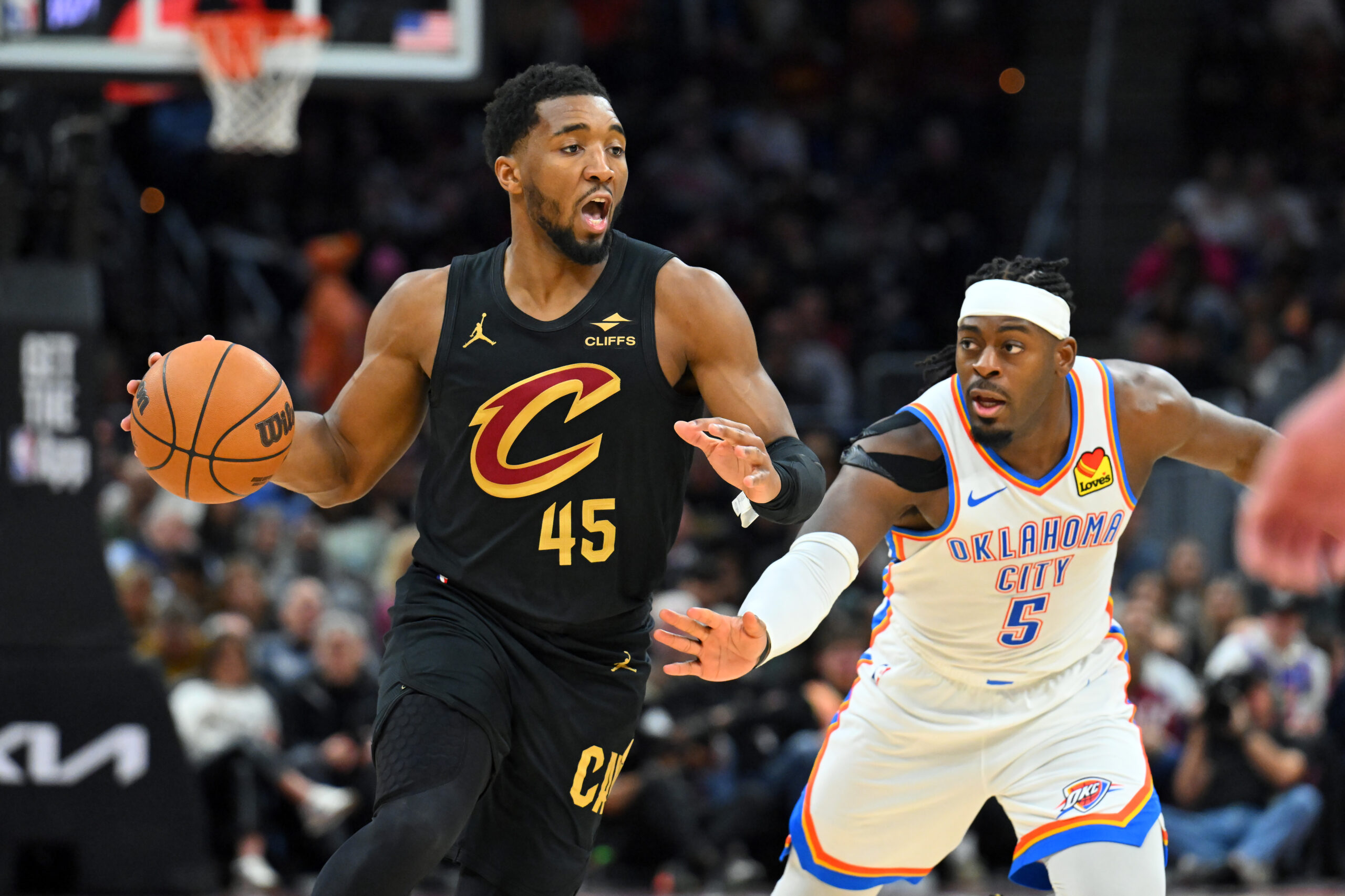
As a general manager, the NBA All-Star selection process always presents a unique challenge. It’s a delicate balance between rewarding individual brilliance, acknowledging team success, and navigating the often-unpredictable currents of fan voting. This year, the selection of the All-Star starters in the Eastern Conference has sparked considerable debate, particularly concerning Donovan Mitchell of the Cleveland Cavaliers. While I respect the process and the players ultimately chosen, I believe a strong case can be made that Mitchell was deserving of a starting nod.
Statistical Superiority: The Numbers Don’t Lie
Let’s delve into the data. At the time of the All-Star selections, Mitchell’s statistical output was undeniably impressive. He was among the league’s leading scorers, consistently putting up high numbers while maintaining a respectable level of efficiency. Comparing his stats to other guards in the East who were selected as starters reveals a compelling narrative. While other players may excel in specific areas, Mitchell’s overall offensive contribution, coupled with his defensive improvements, paints a picture of a more complete and impactful player.
It’s not simply about raw points per game. We need to consider advanced metrics like Player Efficiency Rating (PER), Win Shares, and Value Over Replacement Player (VORP). These statistics provide a more nuanced understanding of a player’s overall impact on the court. Examining these figures, Mitchell consistently ranked highly among Eastern Conference guards, further strengthening the argument for his All-Star starter candidacy. His ability to create scoring opportunities for himself and his teammates, while also contributing defensively, made him a vital cog in the Cavaliers’ machine.
Beyond the Box Score: Leadership and Intangibles
While statistics provide a concrete foundation for evaluating player performance, they often fail to capture the intangible qualities that contribute to a player’s overall value. Leadership, clutch performance, and the ability to elevate the play of those around them are crucial aspects that often go unnoticed in traditional box scores. In Donovan Mitchell’s case, his leadership within the Cavaliers organization has been undeniable. He has embraced the role of a primary leader, both on and off the court, setting an example for his teammates through his work ethic and dedication.
Consider the moments when the Cavaliers faced adversity. It was often Mitchell who stepped up, delivering clutch performances and inspiring his team to overcome challenges. These moments, while difficult to quantify, are invaluable to a team’s success. His presence on the court exudes confidence, and his ability to make critical decisions in pressure situations sets him apart from many of his peers. This leadership, combined with his statistical prowess, makes him a truly impactful player.
Team Success: The Cavaliers’ Ascendancy
Individual accolades are often intertwined with team success. A player’s performance is amplified when it contributes to a winning environment. The Cavaliers’ performance in the Eastern Conference leading up to the All-Star break was a testament to their collective talent and chemistry. Mitchell’s role in this success cannot be overstated. His scoring, playmaking, and leadership were instrumental in the Cavaliers’ rise to prominence. A winning record undoubtedly strengthens a player’s case for All-Star consideration, and the Cavaliers’ performance provided further validation of Mitchell’s value.
It’s important to remember that basketball is a team sport. Individual brilliance is best showcased within the context of a successful team. The Cavaliers’ improved record and overall performance were directly correlated with Mitchell’s arrival and his subsequent integration into the team’s system. He not only elevated his own game but also made those around him better. This impact on team success is a critical factor when evaluating a player’s All-Star worthiness.
The Fan Vote Factor: A Double-Edged Sword
The NBA All-Star selection process incorporates fan voting, player voting, and media voting. While fan engagement is essential for the league’s popularity, it can also lead to discrepancies between deserving players and those who receive the most votes. The fan vote, while a significant component of the selection process, is often influenced by factors beyond on-court performance, such as market size, popularity, and social media presence. This can sometimes result in deserving players being overlooked in favor of more popular, but perhaps less statistically impactful, counterparts.
While I respect the fans’ passion and their right to vote, it’s crucial to acknowledge the potential for bias in the fan vote. The inclusion of player and media votes helps to balance this bias, ensuring that performance and merit are also considered. However, the fan vote’s significant weight in the overall selection process can sometimes lead to outcomes that don’t accurately reflect a player’s on-court contributions. This is not to diminish the achievements of those who were selected, but rather to highlight the inherent challenges in a system that relies heavily on public opinion.
The Managerial Perspective: A Difficult Decision
From a managerial perspective, the All-Star selection process is always a challenging exercise. There are numerous deserving players, and only a limited number of spots available. The decision-making process involves a careful evaluation of statistical data, leadership qualities, team success, and the intangible factors that contribute to a player’s overall value. While I respect the process and the players ultimately chosen, I believe that Donovan Mitchell presented a compelling case for an All-Star starting position.
His statistical output, leadership within the Cavaliers organization, and contribution to the team’s success made him a deserving candidate. While the fan vote may have played a role in the final outcome, a more objective analysis of his performance suggests that he was indeed worthy of a starting nod. Ultimately, the All-Star Game is a celebration of individual excellence and team achievement, and Donovan Mitchell embodies both of these qualities.
Looking Ahead: Mitchell’s Continued Impact
Regardless of the All-Star starting snub, Donovan Mitchell’s future in the NBA remains exceptionally bright. He has established himself as one of the league’s premier guards, and his continued development promises even greater achievements in the years to come. His impact on the Cleveland Cavaliers is undeniable, and his leadership will be crucial as the team strives for championship contention. The All-Star Game is merely a snapshot in time, and Mitchell’s long-term legacy will be defined by his sustained excellence and his contributions to the sport of basketball.
As a general manager, I am always looking for players who possess the combination of talent, work ethic, and leadership that Mitchell embodies. These are the qualities that build successful teams and create lasting legacies. While the All-Star selection process may not always be perfect, it serves as a reminder of the incredible talent and dedication that exists within the NBA. Donovan Mitchell’s performance this season has been a testament to his commitment to excellence, and I am confident that he will continue to shine on the NBA stage for many years to come.
The Eastern Conference Landscape: A Competitive Battle
The Eastern Conference is a gauntlet of talented teams and exceptional players. The competition for All-Star spots is fierce, with numerous deserving candidates vying for limited roster positions. This year’s selections reflect the depth and quality of talent in the East, highlighting the challenges faced by coaches and voters in selecting the most deserving players. The conference is a battleground, and every game is a test of skill, strategy, and determination.
The rise of teams like the Cavaliers has added another layer of intrigue to the Eastern Conference landscape. The presence of stars like Mitchell elevates the level of competition and creates exciting matchups for fans to enjoy. The conference is constantly evolving, with new talent emerging and established players continuing to improve. This dynamic environment makes the All-Star selection process even more complex, as voters must weigh a multitude of factors when making their decisions.
The Importance of Recognition: Motivating Players
While the ultimate goal is always to win championships, individual recognition, such as All-Star selections, plays a crucial role in motivating players and fostering a culture of excellence. Being named an All-Star is a significant accomplishment that validates a player’s hard work and dedication. It also provides a platform for players to showcase their talent on a global stage and further enhance their careers. The recognition that comes with being an All-Star can have a profound impact on a player’s confidence and motivation, inspiring them to continue striving for greatness.
From a managerial perspective, it’s important to acknowledge and reward players for their achievements. This not only boosts morale but also reinforces the importance of individual excellence within the team framework. All-Star selections are a valuable form of recognition that can contribute to a positive and productive team environment. It’s a reminder that hard work and dedication are valued and appreciated, both by the organization and by the fans.
The Future of All-Star Selection: Potential Improvements
The NBA All-Star selection process is a constantly evolving system, and there is always room for improvement. While the current system incorporates fan, player, and media votes, there may be alternative approaches that could lead to more accurate and representative selections. One potential improvement could be to adjust the weighting of each voting component, giving more weight to player and media votes to better reflect on-court performance. Another possibility could be to incorporate advanced statistical analysis into the selection process, providing a more objective evaluation of player contributions.
The goal is to create a system that is both engaging for fans and fair to the players. Balancing these competing interests is a delicate task, but it’s essential to ensure that the All-Star selections accurately reflect the league’s top talent. Continuous evaluation and refinement of the selection process will help to maintain the integrity and prestige of the All-Star Game for years to come.
Conclusion: A Respectful Disagreement
In conclusion, while I respect the outcome of the All-Star starter selections in the Eastern Conference, I believe a strong argument can be made that Donovan Mitchell was deserving of a starting nod. His statistical superiority, leadership qualities, and contribution to the Cavaliers’ success made him a compelling candidate. The All-Star Game is a celebration of individual excellence and team achievement, and Mitchell embodies both of these qualities. Regardless of the All-Star snub, his future in the NBA remains exceptionally bright, and I am confident that he will continue to shine on the NBA stage for many years to come.
FAQ
Why is the All-Star selection process so important?
The All-Star selection process is important because it recognizes and rewards the best players in the league for their outstanding performance. It’s a prestigious honor that can significantly impact a player’s career and legacy. It also provides a platform for players to showcase their talent on a global stage and further enhance their marketability.
How does the NBA determine All-Star starters?
The NBA All-Star starters are determined through a combination of fan voting, player voting, and media voting. The fan vote accounts for 50% of the total vote, while player and media votes each account for 25%. The players with the highest combined scores in each conference are selected as starters.
What are some of the challenges in selecting All-Star players?
Some of the challenges in selecting All-Star players include the limited number of roster spots, the subjective nature of evaluating player performance, and the potential for bias in the fan vote. It’s difficult to compare players across different positions and playing styles, and the fan vote can be influenced by factors beyond on-court performance, such as market size and popularity.
What factors do general managers consider when evaluating All-Star candidates?
General managers consider a wide range of factors when evaluating All-Star candidates, including statistical performance, leadership qualities, team success, and the intangible factors that contribute to a player’s overall value. They also consider advanced metrics, such as Player Efficiency Rating (PER) and Win Shares, to gain a more nuanced understanding of a player’s impact on the court.
How can the All-Star selection process be improved?
The All-Star selection process can be improved by adjusting the weighting of each voting component, giving more weight to player and media votes to better reflect on-court performance. Another possibility is to incorporate advanced statistical analysis into the selection process, providing a more objective evaluation of player contributions. The goal is to create a system that is both engaging for fans and fair to the players.