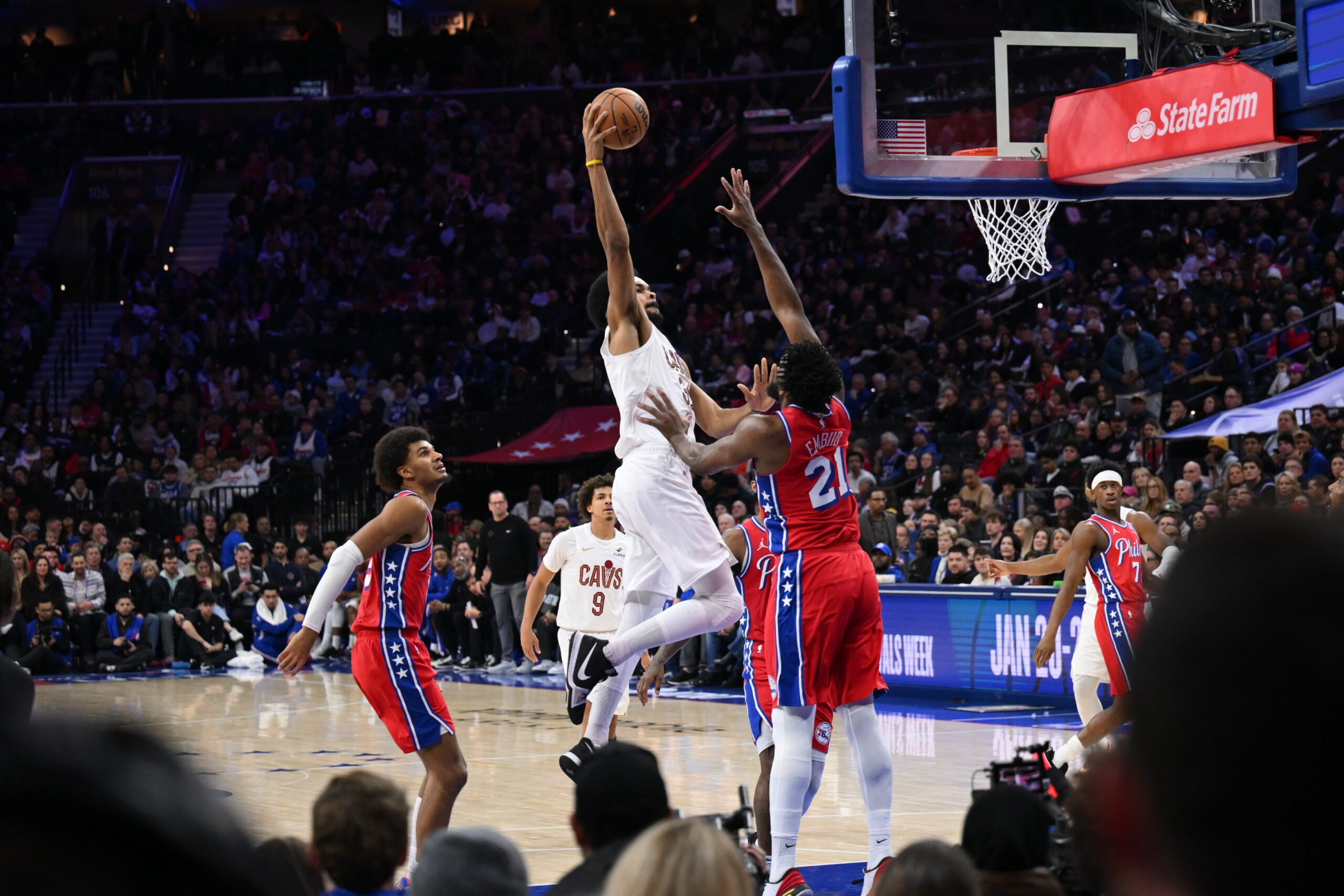

Sixers’ Home Court Disadvantage: A Deep Dive into Philadelphia’s Struggles
The Philadelphia 76ers, a team with championship aspirations, have faced an unexpected hurdle this season: an underwhelming performance on their home court, the Wells Fargo Center. This anomaly has raised concerns among fans and analysts alike, prompting a closer examination of the factors contributing to this disconcerting trend. While road wins are valuable, dominating at home is often a hallmark of contending teams, a characteristic the Sixers have struggled to consistently demonstrate this season. This analysis will delve into the player performances, strategic adjustments (or lack thereof), and potential external influences impacting the Sixers’ home record.
The Embiid Effect: Dominance on the Road vs. Home Inconsistency
Joel Embiid, the reigning MVP, remains the cornerstone of the Sixers’ success. His individual brilliance is undeniable, showcased by his consistent scoring prowess and defensive impact. However, a closer look reveals a subtle but significant difference in his performance splits between home and away games. While his overall averages remain impressive, there have been instances where his efficiency and aggression appear slightly diminished at the Wells Fargo Center. This could be attributed to various factors, including opposing teams tailoring their defensive schemes to specifically contain him on his home turf, or simply the inherent pressure of playing in front of a demanding home crowd. The expectation is always high when Embiid takes the court in Philadelphia, and that pressure can sometimes manifest in subtle ways.
Furthermore, Embiid’s health plays a crucial role. Even minor nagging injuries can impact his explosiveness and stamina, potentially affecting his performance more noticeably in home games where the pressure to perform is amplified. The Sixers’ medical staff closely monitors Embiid’s workload, but managing his health effectively throughout the season remains a paramount concern.
Tyrese Maxey’s Evolution: A Tale of Two Arenas?
Tyrese Maxey’s growth into a bona fide star has been one of the most exciting storylines for the Sixers. His electrifying speed, improved shooting, and fearless drives to the basket have made him a dynamic offensive weapon. However, like Embiid, Maxey’s performance also exhibits some discrepancies between home and away games. While his overall scoring numbers are relatively consistent, his efficiency – particularly his three-point shooting percentage – sometimes dips at home. This could be attributed to increased defensive attention from opposing teams, who are more likely to game plan specifically for him in Philadelphia. Maxey’s ability to consistently overcome these defensive adjustments will be crucial for the Sixers’ long-term success.
Beyond the statistical differences, Maxey’s leadership role is also evolving. He is learning to navigate the pressures of being a key player on a contending team, and this process involves adjusting to the heightened expectations and scrutiny that come with playing at home. His ability to maintain his composure and make smart decisions in crucial moments will be vital for the Sixers, especially in close games at the Wells Fargo Center.
Beyond the Stars: Examining the Supporting Cast
While Embiid and Maxey carry the bulk of the offensive load, the performance of the Sixers’ supporting cast is equally crucial to their overall success. Players like Tobias Harris, De’Anthony Melton, and others need to consistently contribute on both ends of the floor, providing scoring, rebounding, and defensive support. The consistency of these role players has been a mixed bag this season, and their fluctuations in performance have often coincided with the Sixers’ struggles at home. When the supporting cast is firing on all cylinders, the Sixers become a much more difficult team to defend. However, when they struggle to find their rhythm, the offensive pressure falls squarely on Embiid and Maxey, making them easier to contain.
The Sixers’ bench production is another key area of concern. A strong and reliable bench can provide a crucial spark, especially in games where the starters are struggling. However, the Sixers’ bench has sometimes been inconsistent, failing to provide the necessary scoring and defensive support. This lack of consistent bench production has put added pressure on the starters, contributing to their fatigue and potentially impacting their performance in the later stages of games.
Coaching Strategies and Adjustments: Are the Sixers Adapting Effectively?
Coaching plays a pivotal role in maximizing a team’s potential, and the Sixers’ coaching staff, led by , faces the challenge of addressing the team’s home court struggles. One key aspect is the ability to make effective in-game adjustments, particularly when the opposing team is successfully executing their game plan. There have been instances where the Sixers have appeared slow to react to defensive adjustments or offensive strategies employed by their opponents, leading to prolonged scoring droughts and defensive breakdowns. The coaching staff’s ability to identify these issues quickly and implement effective solutions is crucial for turning the tide in close games.
Another important aspect is the development and implementation of offensive and defensive schemes that maximize the strengths of the entire roster. The coaching staff needs to find ways to involve all players in the offense, creating a more balanced and unpredictable attack. Defensively, they need to ensure that the team is consistently executing their rotations and communicating effectively, preventing easy baskets and limiting second-chance opportunities for the opposition. A well-coached team is able to adapt to different situations and overcome adversity, and the Sixers need to demonstrate this ability more consistently, especially at home.
The Pressure Cooker: The Impact of the Philadelphia Fan Base
Philadelphia is known for its passionate and demanding fan base. While the unwavering support of the fans can be a tremendous asset, it can also create a high-pressure environment for the players. The expectations are always high, and the fans are quick to voice their displeasure when the team is not performing up to par. This pressure can sometimes weigh heavily on the players, particularly in close games where every possession is magnified. The ability to block out the noise and focus on the task at hand is a crucial skill for any athlete, and the Sixers need to develop a mental toughness that allows them to thrive in the face of adversity.
Furthermore, the energy of the crowd can sometimes have a negative impact on the team’s performance. If the team is struggling, the crowd can become restless and vocal, creating a sense of anxiety that can further exacerbate the team’s problems. It is important for the players to maintain their composure and not let the crowd’s reaction affect their decision-making. A strong and resilient team is able to feed off the energy of the crowd when things are going well, but they are also able to remain focused and disciplined when things are not going their way.
Looking Ahead: Addressing the Home Court Disadvantage
Addressing the Sixers’ home court struggles is paramount to their championship aspirations. The team needs to identify the root causes of their inconsistent performance at the Wells Fargo Center and implement effective solutions. This involves a multi-faceted approach that includes player development, strategic adjustments, and mental toughness. The coaching staff needs to work with the players to improve their individual skills and develop a cohesive team identity. They also need to implement offensive and defensive schemes that maximize the strengths of the entire roster. And most importantly, the players need to develop a mental fortitude that allows them to thrive in the face of pressure and adversity.
The remaining home games provide an opportunity for the Sixers to turn things around and establish a true home court advantage. By focusing on their strengths, addressing their weaknesses, and embracing the support of their fans, the Sixers can transform the Wells Fargo Center into a fortress, a place where opponents fear to tread. The journey to a championship is never easy, but by overcoming this challenge, the Sixers can solidify their position as a legitimate contender and bring the Larry O’Brien trophy back to Philadelphia.
The Importance of Rest and Recovery
The NBA season is a grueling marathon, not a sprint. The constant travel, intense competition, and physical demands take a toll on the players’ bodies. Therefore, prioritizing rest and recovery is crucial for maintaining peak performance throughout the season. The Sixers’ medical staff plays a vital role in monitoring the players’ health and ensuring that they are getting the necessary rest and treatment. This includes things like proper nutrition, hydration, sleep, and massage therapy. The coaching staff also needs to be mindful of the players’ workload and avoid overworking them, especially during stretches of demanding games.
Furthermore, mental recovery is just as important as physical recovery. The pressure and stress of competing at the highest level can take a toll on the players’ mental well-being. The Sixers need to create a supportive and positive environment where the players feel comfortable discussing their concerns and seeking help when needed. This can include things like meditation, mindfulness exercises, and team-building activities. By prioritizing both physical and mental recovery, the Sixers can ensure that their players are fresh and energized for every game, maximizing their chances of success.
The Playoff Picture: Home Court Advantage in the Postseason
As the playoffs approach, securing home court advantage becomes increasingly important. Playing in front of a supportive crowd can provide a significant boost, especially in close games. The Sixers need to improve their home record to increase their chances of securing a higher seed in the playoffs. This will give them the opportunity to play more games at the Wells Fargo Center, where they can feed off the energy of their fans and gain a competitive edge.
However, even if the Sixers do not secure home court advantage, they still need to be able to win on the road. The playoffs are a battle of attrition, and teams that can consistently win away from home have a significant advantage. The Sixers need to develop a road mentality, a mindset that allows them to remain focused and disciplined regardless of the environment. This includes things like executing their game plan effectively, communicating clearly on defense, and maintaining their composure in the face of adversity. By mastering both home and road environments, the Sixers can maximize their chances of making a deep playoff run.
FAQ Section
Why are the Sixers struggling at home this season?
Several factors contribute to the Sixers’ home struggles, including increased defensive attention on star players like Joel Embiid and Tyrese Maxey, inconsistent performances from the supporting cast, and the pressure of playing in front of a demanding home crowd. Coaching strategies and in-game adjustments also play a role.
How does Joel Embiid’s performance differ between home and away games?
While Joel Embiid’s overall averages remain impressive, there have been instances where his efficiency and aggression appear slightly diminished at the Wells Fargo Center. This could be due to tailored defensive schemes by opposing teams or the pressure of playing in front of the home crowd.
Is Tyrese Maxey also affected by playing at home?
Similar to Embiid, Tyrese Maxey’s performance exhibits some discrepancies between home and away games. His three-point shooting percentage sometimes dips at home, possibly due to increased defensive attention.
What role does the Sixers’ supporting cast play in their home struggles?
The consistency of the Sixers’ supporting cast is crucial. Their fluctuations in performance often coincide with the team’s struggles at home. When they contribute effectively, the Sixers are more difficult to defend.
Are the Sixers’ coaching strategies contributing to the problem?
The Sixers’ coaching staff’s ability to make effective in-game adjustments is key. There have been instances where the team has appeared slow to react to opponents’ strategies, leading to scoring droughts and defensive breakdowns.
How does the Philadelphia fan base impact the team’s performance at home?
Philadelphia’s passionate fan base can be both an asset and a liability. While their support can be energizing, the high expectations and vocal displeasure when the team is struggling can create a high-pressure environment for the players.
What can the Sixers do to improve their home record?
To improve their home record, the Sixers need to identify the root causes of their struggles, implement effective solutions, focus on player development, make strategic adjustments, and develop mental toughness. They also need to prioritize rest and recovery to maintain peak performance.
How important is home court advantage in the NBA playoffs?
Securing home court advantage is increasingly important as the playoffs approach. Playing in front of a supportive crowd can provide a significant boost, especially in close games. The Sixers need to improve their home record to increase their chances of securing a higher seed.