NBA Fantasy Basketball: Decoding Week 13’s Unusual Scoring Dip
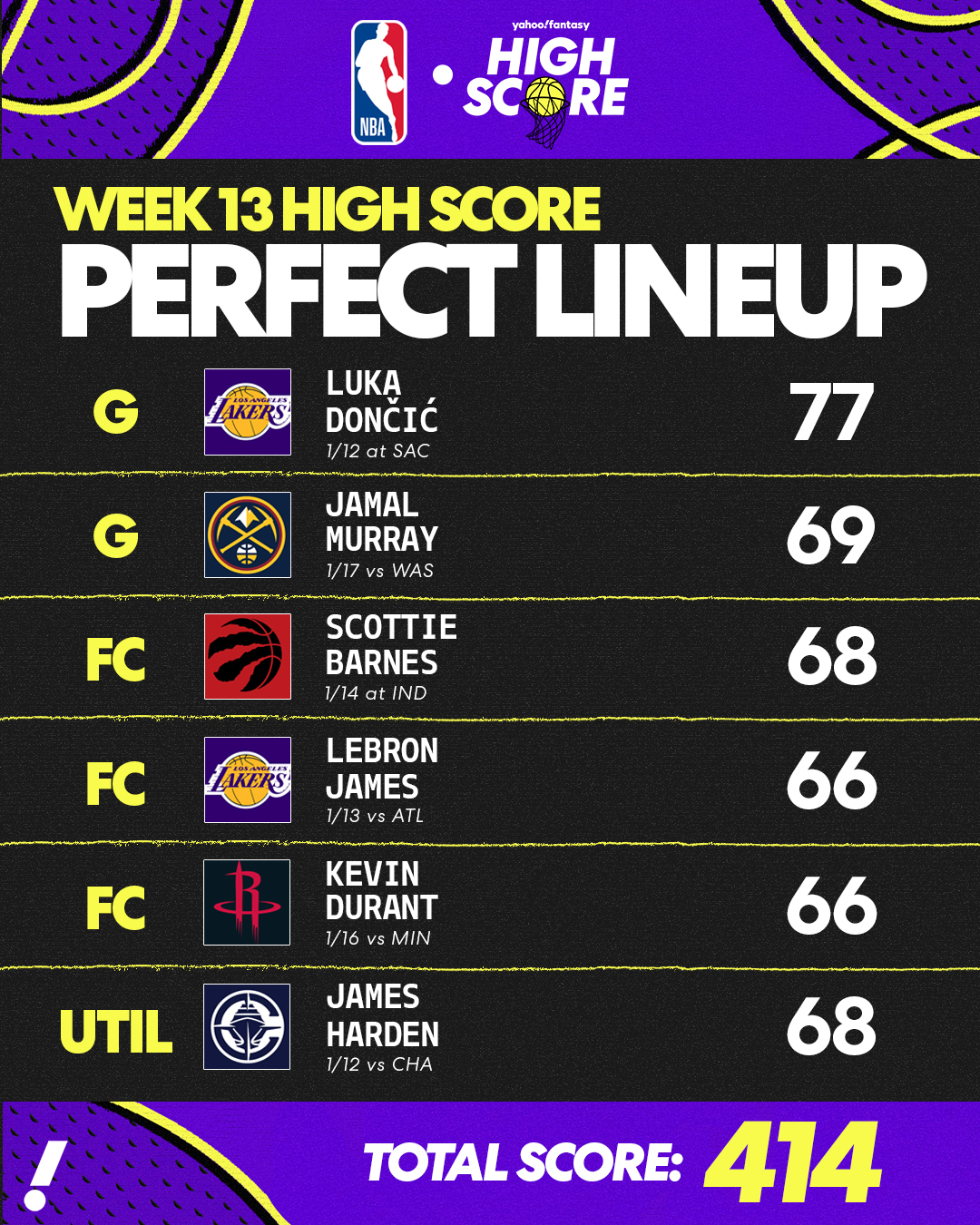
Week 13 of the 2025-2026 NBA season has concluded, and fantasy basketball managers are left scratching their heads. The “perfect lineup,” typically a showcase of explosive scoring and across-the-board statistical dominance, presented a surprisingly muted performance. This begs the question: Where did all the scoring go, and what does this trend signify for the remainder of the fantasy season?
The Context: A Season of Shifting Tides
Before diving into the specifics of Week 13, it’s crucial to remember that the NBA landscape is constantly evolving. Rule changes implemented over the past few seasons, intended to increase offensive flow and reduce physicality, have had a tangible impact on scoring trends. Early in the 2025-2026 season, we witnessed several high-scoring outbursts, leading many to believe that this would be another year of inflated offensive numbers. However, as teams have settled into their rotations, implemented defensive adjustments, and dealt with the inevitable injuries and fatigue, scoring has become more variable. This variability makes fantasy basketball, especially daily fantasy sports (DFS), a constant challenge. The ability to accurately predict not just who *will* perform well, but also *when* and *why* is paramount.
Examining the Perfect Lineup: A Statistical Anomaly?
The perfect lineup, a hypothetical team constructed from the highest-scoring players in a given fantasy scoring system (typically DraftKings or FanDuel), serves as a benchmark for optimal performance. When the perfect lineup underperforms relative to expectations, it signals a potential shift in the underlying dynamics of the game. Several factors could contribute to a lower-than-expected score:
- Increased Defensive Intensity: As the season progresses, teams tend to tighten up their defensive schemes. Coaches have more film to analyze opponents’ tendencies, leading to better preparation and execution on the defensive end. This can result in lower field goal percentages, fewer easy baskets in transition, and more turnovers forced.
- Injury Impact: Injuries to key offensive players can drastically alter the scoring landscape. When a star player is sidelined, opposing defenses often focus their attention on the remaining offensive threats, making it more difficult for them to produce at their usual levels. The absence of a primary scorer can also disrupt the team’s overall offensive rhythm, leading to lower scoring outputs across the board.
- Schedule Congestion: The NBA schedule is notoriously demanding, with teams often playing multiple games in a short period. This can lead to fatigue, which can negatively impact player performance, particularly on the offensive end. Tired legs can result in missed shots, poor decision-making, and a general lack of energy.
- Matchup Specificity: Some teams simply present more difficult matchups than others. A team with a strong defensive frontcourt, for example, might effectively neutralize opposing big men, limiting their scoring and rebounding opportunities. Similarly, a team with a quick and agile backcourt might give opposing guards fits, forcing turnovers and disrupting their offensive flow.
- Statistical Variance: It’s important to acknowledge the role of statistical variance in any analysis of player performance. Even the best players have off nights, and sometimes, seemingly inexplicable events can occur. A player who typically shoots 50% from the field might have a night where they shoot 25%, and vice versa. These random fluctuations can significantly impact fantasy scoring.
Deep Dive into Week 13 Performances
To truly understand the reasons behind Week 13’s low-scoring perfect lineup, we need to examine the individual performances of the players who comprised it. Which players underperformed relative to their season averages? Were there any common threads among these players? For example, were they all facing particularly tough defensive matchups, or were they all playing on the second night of a back-to-back?
Let’s consider a hypothetical, scaled-down example. Imagine the perfect lineup included a usually reliable point guard who shot poorly against a team known for its defensive prowess against guards. This single underperformance could significantly drag down the overall score. Likewise, a forward who typically excels at rebounding might have been matched up against a dominant center, limiting his rebounding opportunities. These individual struggles, when aggregated across the entire lineup, can explain the lower-than-expected score.
Furthermore, consider the distribution of scoring within the league during Week 13. Was there a general trend of lower scoring across the board, or was the perfect lineup an isolated case? If the entire league experienced a scoring dip, it could indicate broader factors at play, such as increased defensive intensity or schedule congestion. If, on the other hand, the perfect lineup was an outlier, it might suggest that specific circumstances unique to those players were responsible.
The Impact on Fantasy Strategy
The implications of Week 13’s low-scoring perfect lineup extend beyond a single week. It serves as a valuable reminder that fantasy basketball is a dynamic and unpredictable game. Managers who cling to outdated assumptions and fail to adapt to changing circumstances are likely to struggle. Here are some key takeaways for fantasy strategy:
- Embrace Matchup Analysis: Pay close attention to matchups when making lineup decisions. A player who typically thrives against weaker defenses might struggle against a team with a strong defensive reputation. Utilize resources that provide detailed matchup analysis, such as defensive ratings, opponent points allowed to specific positions, and individual player defensive statistics.
- Monitor Injury Reports: Stay informed about player injuries and their potential impact on team dynamics. When a key player is sidelined, other players often see an increase in usage and opportunity. Identifying these beneficiaries can provide a significant edge in fantasy leagues.
- Consider Schedule Factors: Be mindful of schedule congestion and its potential impact on player performance. Players who are playing on the second night of a back-to-back might be more likely to underperform due to fatigue. Conversely, players who have had several days of rest might be primed for a strong performance.
- Diversify Your Portfolio: Avoid putting all your eggs in one basket. Relying too heavily on a small group of players can be risky, as injuries or poor matchups can quickly derail your fantasy team. Diversifying your roster with players who have different skill sets and play different positions can help mitigate risk and increase your chances of success.
- Don’t Overreact: While it’s important to adapt to changing circumstances, avoid making rash decisions based on a single week of data. A single low-scoring week doesn’t necessarily mean that a player is in decline or that your fantasy strategy is flawed. Take a long-term perspective and focus on making informed decisions based on a comprehensive understanding of the NBA landscape.
Looking Ahead: Predicting Future Trends
Predicting future trends in fantasy basketball is an inherently challenging task, but by analyzing past data and identifying key patterns, we can make informed predictions. As we move further into the 2025-2026 season, several factors will likely influence scoring trends:
- Playoff Push: As teams jockey for playoff positioning, the intensity of games will likely increase. This could lead to tighter defenses and lower scoring outputs, particularly in crucial matchups.
- Trade Deadline: The trade deadline can significantly alter team dynamics and player roles. New additions to a team might disrupt existing chemistry, while departures can create opportunities for other players to step up.
- Injury Management: Teams will increasingly prioritize injury management as the season progresses. Players who are dealing with nagging injuries might be rested more frequently, creating opportunities for other players to gain playing time and fantasy value.
By staying informed about these factors and adapting their strategies accordingly, fantasy basketball managers can increase their chances of success in the weeks and months to come. Week 13’s surprisingly low-scoring perfect lineup serves as a valuable reminder that the NBA landscape is constantly evolving, and that the ability to adapt and adjust is paramount.
The Future of Fantasy Analysis
With advancements in data analytics and machine learning, the future of fantasy basketball analysis is bright. We can expect to see more sophisticated tools and models that can accurately predict player performance and identify hidden opportunities. These tools will likely incorporate a wide range of factors, including player tracking data, advanced statistical metrics, and even social media sentiment analysis. As fantasy basketball becomes increasingly data-driven, the ability to interpret and apply these insights will become even more crucial for success.
FAQ Section
Why was the perfect lineup score so low in Week 13?
Several factors could contribute to a lower-than-expected perfect lineup score, including increased defensive intensity, injuries to key offensive players, schedule congestion leading to fatigue, difficult matchups, and simply statistical variance where players underperform their averages.
How can I adjust my fantasy strategy based on Week 13’s results?
Focus on matchup analysis, monitor injury reports closely, consider schedule factors when making lineup decisions, diversify your roster to mitigate risk, and avoid overreacting to a single week of data.
Will scoring remain low for the rest of the season?
It’s difficult to say definitively. As the season progresses, the playoff push, trade deadline, and injury management will all influence scoring trends. Stay informed and adapt your strategy accordingly.
What resources can help me with matchup analysis?
Many websites provide detailed matchup analysis, including defensive ratings, opponent points allowed to specific positions, and individual player defensive statistics. Some examples are NBA.com/stats, Basketball-Reference.com, and ESPN.com.
How important is it to monitor injury reports?
Monitoring injury reports is crucial, as injuries to key players can significantly alter team dynamics and create opportunities for other players to step up. Identifying these beneficiaries can provide a significant edge in fantasy leagues.
Should I trade a player who had a bad Week 13?
Not necessarily. A single bad week doesn’t necessarily mean that a player is in decline. Consider their overall performance, injury history, and future matchups before making a trade decision.
What’s the best way to diversify my fantasy roster?
Draft and acquire players with different skill sets and who play different positions. This will help you mitigate risk and increase your chances of success, even if one or two of your players have a bad week or get injured.