The Two-Way Player Ideal: A Shifting Definition
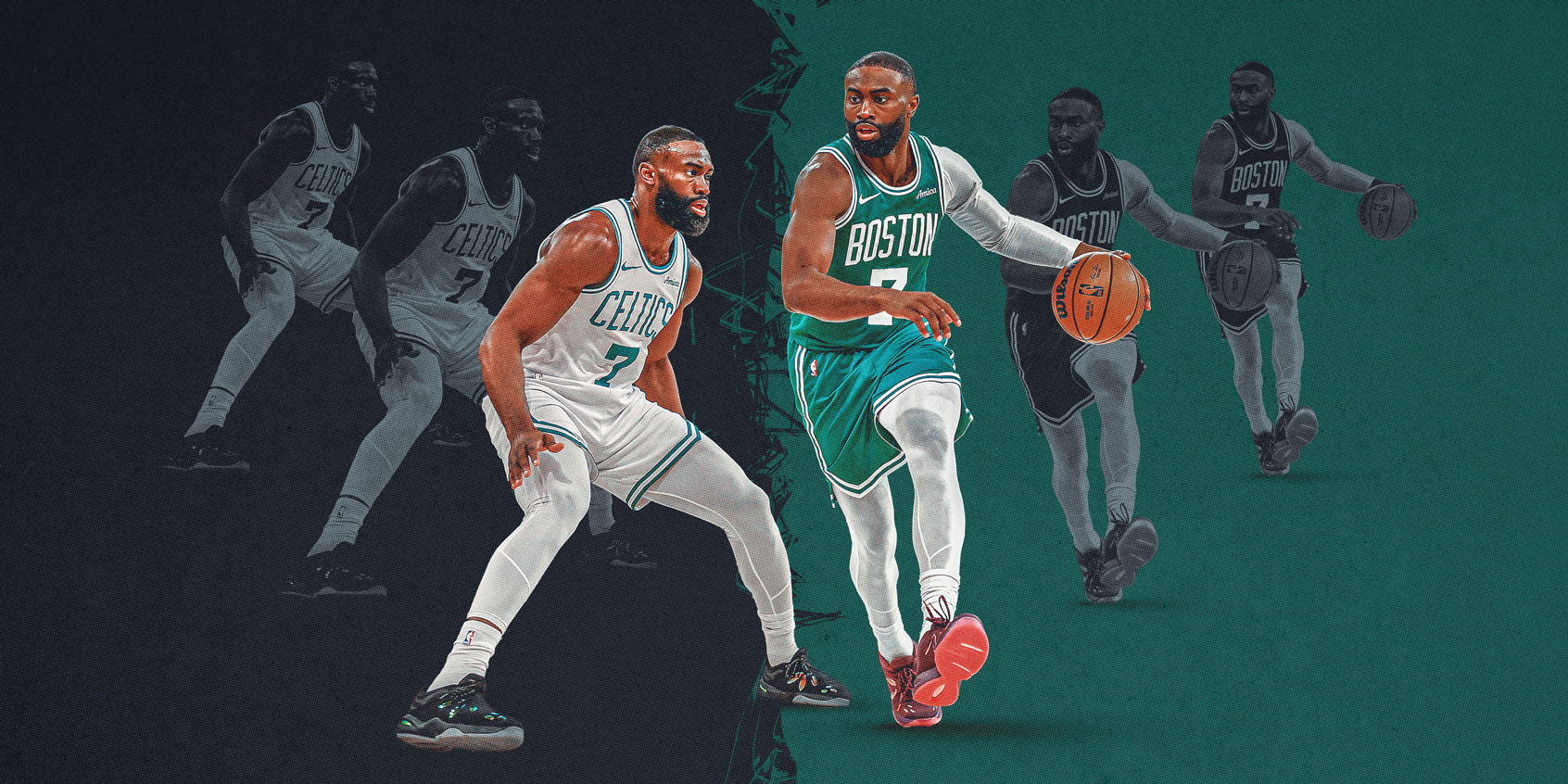
The concept of a “two-way player” in the NBA has evolved. No longer is it sufficient to be merely competent on both ends of the floor. Today’s elite two-way players are game-changers, capable of significantly impacting both offensive and defensive outcomes. They are not just contributors; they are difference-makers. The question is, does Jaylen Brown of the Boston Celtics fit this elevated definition and, more importantly, does he surpass his peers to claim the title of the NBA’s best?
- 1. The Two-Way Player Ideal: A Shifting Definition
- 2. Offensive Arsenal: Beyond the Highlight Reel
- 3. Defensive Prowess: The Foundation of His Two-Way Case
- 4. The Competition: Who Else is in the Two-Way Conversation?
- 5. The Verdict: Is Brown the Best?
- 6. The Future: What’s Next for Brown?
- 7. Statistical Considerations: Digging Deeper
- 8. The Importance of Context: Team and System
- 9. Impact Beyond the Box Score
- 10. The Ongoing Evolution of the Two-Way Star
- 11. Conclusion: A Strong Case, But Not Definitive
- 12. FAQ
- 13. Sources and Related Links
Offensive Arsenal: Beyond the Highlight Reel
Brown’s offensive game has matured considerably. He’s no longer solely reliant on athleticism and transition opportunities. His shot creation has improved dramatically, allowing him to score in a variety of ways. Let’s break down his key offensive strengths:
Improved Isolation Scoring
Early in his career, Brown struggled to consistently create scoring opportunities in isolation. He was often forced into tough shots or relied on drawing fouls. However, in recent seasons, he’s shown a greater understanding of angles, footwork, and exploiting mismatches. He uses his strength to back down smaller defenders and his quickness to blow by slower ones. His handle, while still not elite, has become much more reliable, allowing him to string together dribble moves to create space. This development makes him a far more dangerous offensive weapon, especially in late-game situations when the offense often devolves into isolation plays.
Sharper Three-Point Shooting
Brown’s three-point shooting has become a consistent threat. He’s not just a spot-up shooter; he can knock down threes off the dribble, coming off screens, and in catch-and-shoot situations. This versatility makes him difficult to guard and opens up the floor for his teammates. Opposing defenses can no longer sag off him, allowing him to drive to the basket or find open teammates. The numbers bear this out: his three-point percentage has consistently hovered around the high-30s to low-40s in recent seasons, a significant improvement from his earlier years.
Driving and Finishing
Brown’s athleticism has always been a major part of his game, and he continues to use it effectively to drive to the basket. What’s improved is his decision-making and finishing ability. He’s become better at reading the defense, knowing when to attack the basket and when to pull up for a mid-range jumper. He’s also developed a wider array of finishing moves around the rim, including floaters, reverse layups, and power finishes. His ability to absorb contact and finish through fouls makes him a tough matchup for defenders.
Playmaking Potential
While not his primary role, Brown’s playmaking has also shown signs of improvement. He’s become more willing to pass out of double teams and find open teammates. He’s also shown flashes of creating opportunities for others in the pick-and-roll. While he’s not yet a point guard, his increased playmaking ability adds another dimension to his offensive game and makes him a more complete player.
Defensive Prowess: The Foundation of His Two-Way Case
While Brown’s offense has garnered considerable attention, his defensive contributions are arguably even more critical to his two-way impact. He possesses a rare combination of size, athleticism, and defensive instincts that allow him to guard multiple positions effectively. Let’s examine his key defensive attributes:
Versatile Defender
In today’s NBA, versatility on defense is paramount. Brown excels in this area, capable of guarding point guards, shooting guards, small forwards, and even some power forwards. His size and strength allow him to body up bigger players, while his quickness and agility enable him to stay in front of smaller, faster guards. This versatility is invaluable for the Celtics, allowing them to switch seamlessly on defense and disrupt opposing offenses.
On-Ball Defense
Brown’s on-ball defense is characterized by his tenacity and physicality. He’s not afraid to get up close and personal with opposing players, making it difficult for them to initiate their offense. He uses his length and quickness to contest shots and disrupt passing lanes. He’s also a disciplined defender, avoiding unnecessary fouls and staying in front of his man. His commitment to on-ball defense sets the tone for the entire Celtics team.
Off-Ball Awareness
Defense is not just about guarding your man; it’s also about being aware of what’s happening around you. Brown excels in this area, showing a keen understanding of defensive rotations and help-side responsibilities. He anticipates passes, jumps into passing lanes, and provides timely help defense. His off-ball awareness is a key factor in the Celtics’ overall defensive success.
Defensive Rebounding
Securing defensive rebounds is crucial for preventing second-chance opportunities for the opposition. Brown contributes significantly in this area, using his size and athleticism to grab rebounds and initiate the fast break. His defensive rebounding helps the Celtics control the tempo of the game and limits the number of possessions for the opposing team.
The Competition: Who Else is in the Two-Way Conversation?
While Brown has a strong case for being the NBA’s best two-way player, he’s not without competition. Several other players also excel on both ends of the floor. Some notable contenders include:
* **Kawhi Leonard:** When healthy, Leonard remains a dominant force on both ends. His defensive prowess is legendary, and his offensive game is polished and efficient. However, his availability has been a major concern in recent years.
* **Mikal Bridges:** Bridges has blossomed into a legitimate two-way star. His length, athleticism, and defensive instincts make him a nightmare for opposing players, and his offensive game has improved significantly.
* **OG Anunoby:** Anunoby is a versatile defender who can guard multiple positions effectively. His offensive game is still developing, but he’s shown flashes of being a reliable scorer.
* **Jrue Holiday:** Holiday is a tenacious defender who can disrupt opposing offenses with his quickness and physicality. He’s also a skilled playmaker and scorer.
The Verdict: Is Brown the Best?
Determining the “best” two-way player is subjective and depends on individual priorities. However, based on a combination of statistical analysis, tactical observations, and overall impact, Jaylen Brown has a compelling argument. His offensive improvements have made him a more complete scorer, and his defensive versatility and tenacity are invaluable for the Celtics. While players like Leonard, Bridges, and Anunoby also deserve consideration, Brown’s consistent performance and impact on both ends of the floor make him a strong contender for the title of the NBA’s best two-way player.
Ultimately, the debate will continue, and the answer may change as players evolve and adapt. But as of today, January 11, 2026, Jaylen Brown is firmly in the conversation and has a legitimate claim to the throne.
The Future: What’s Next for Brown?
Even with his current level of play, there’s still room for Brown to improve. Continued refinement of his ball-handling skills, further development of his playmaking abilities, and even greater consistency from three-point range could elevate him to an even higher level. Defensively, maintaining his intensity and focus will be key to remaining a dominant force. If he can continue to develop and refine his game, Jaylen Brown has the potential to cement his legacy as one of the NBA’s premier two-way players for years to come.
Statistical Considerations: Digging Deeper
While eye tests and tactical breakdowns are crucial, statistical analysis provides valuable context. Considering advanced metrics like Defensive Win Shares, Box Plus/Minus (BPM), and Player Efficiency Rating (PER) can offer a more objective assessment of Brown’s two-way impact. Examining his on/off court splits also reveals how the Celtics perform when he’s on the floor versus when he’s on the bench. These statistical insights, combined with the tactical analysis, paint a more complete picture of Brown’s value.
The Importance of Context: Team and System
It’s important to remember that individual performance is always influenced by the team and system in which a player operates. Brown benefits from playing alongside other talented players like Jayson Tatum, which creates spacing and opportunities for him on offense. He also thrives in the Celtics’ defensive system, which emphasizes switching and versatility. Considering these contextual factors is essential when evaluating Brown’s two-way impact.
Impact Beyond the Box Score
While statistics provide valuable insights, they don’t always capture the full impact of a player. Brown’s leadership, work ethic, and competitive spirit are also important factors to consider. He sets a positive example for his teammates and consistently gives his all on both ends of the floor. These intangible qualities contribute to his overall value and make him a key part of the Celtics’ success.
The Ongoing Evolution of the Two-Way Star
The definition of a two-way star is constantly evolving, and players like Jaylen Brown are pushing the boundaries of what’s possible. As the game continues to change, players who can excel on both ends of the floor will become even more valuable. Brown’s ability to impact the game in multiple ways makes him a valuable asset and a legitimate contender for the title of the NBA’s best two-way player.
Conclusion: A Strong Case, But Not Definitive
The question of whether Jaylen Brown is the NBA’s best two-way player is complex and nuanced. While he possesses the offensive skills, defensive versatility, and statistical profile to be a strong contender, the competition is fierce. Ultimately, the answer may depend on individual preferences and the specific criteria used for evaluation. However, one thing is clear: Jaylen Brown is a rising star who is making a significant impact on both ends of the floor, and his continued development will be fascinating to watch in the years to come.
FAQ
Is Jaylen Brown a better offensive or defensive player?
While Brown has made significant strides on offense, his defensive abilities are arguably his strongest asset. His versatility, athleticism, and defensive instincts allow him to guard multiple positions effectively and disrupt opposing offenses.
What are Jaylen Brown’s biggest weaknesses?
While Brown has improved significantly, his ball-handling and playmaking skills could still be refined. He can sometimes be prone to turnovers and could improve his ability to create scoring opportunities for his teammates.
How does Jaylen Brown compare to other top two-way players in the NBA?
Brown compares favorably to other top two-way players in terms of his offensive versatility, defensive versatility, and overall impact. However, players like Kawhi Leonard and Mikal Bridges also possess unique strengths that make them strong contenders for the title of the NBA’s best two-way player.
What statistics best showcase Jaylen Brown’s two-way impact?
Statistics like Defensive Win Shares, Box Plus/Minus (BPM), Player Efficiency Rating (PER), and on/off court splits can provide valuable insights into Brown’s two-way impact. These metrics help to quantify his contributions on both ends of the floor.
What is Jaylen Brown’s ceiling as a two-way player?
Brown has the potential to become an even more dominant two-way player. Continued improvement in his ball-handling, playmaking, and three-point shooting could elevate him to a higher level. Defensively, maintaining his intensity and focus will be key to remaining a dominant force. His ceiling is potentially among the very best in the league.